
Core Philosophy: How They Differ
Keto and Paleo often get lumped into the same conversation, but they’re built on different foundations.
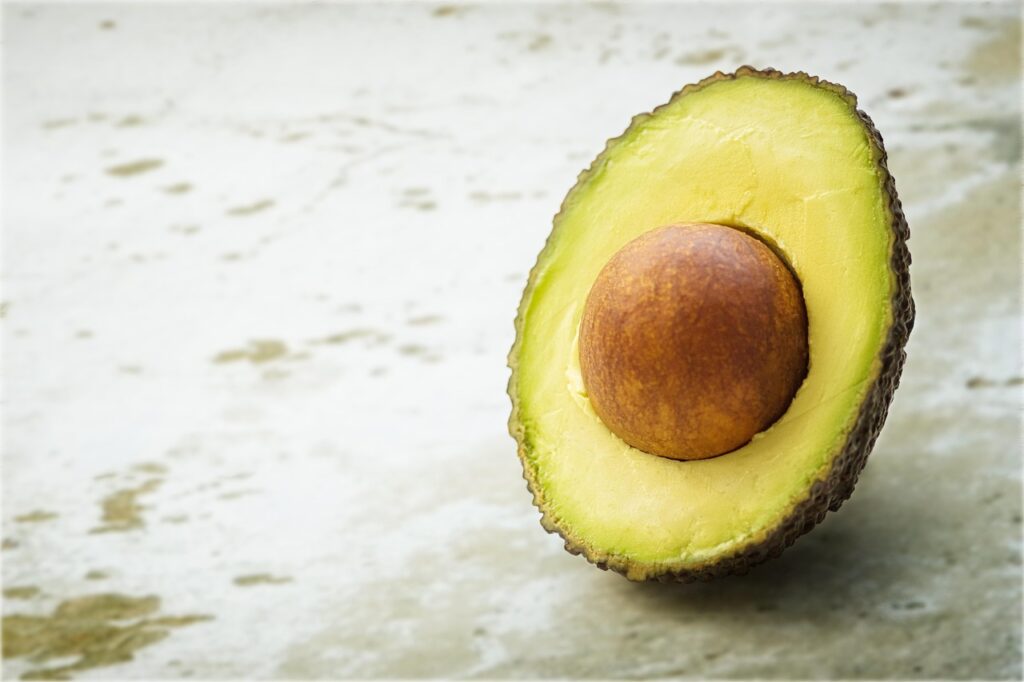
Keto is all about macros specifically, keeping carbs ultra low (usually under 50 grams a day) and fat intake sky high. The goal is to push your body into ketosis, where it burns fat for energy instead of glucose. It’s clinical, targeted, and often used for rapid fat loss or managing specific conditions like epilepsy or insulin resistance.
Paleo, on the other hand, isn’t tracking focused. It’s more about food quality and roots in theory, how our ancestors might have eaten. That means grass fed meat, vegetables, nuts, some fruit, and healthy fats. What’s out: grains, legumes, dairy, and anything processed.
Compared side by side, keto is much stricter when it comes to carbs. Fruit? Pretty limited. Sweet potatoes? Usually off the table. Paleo makes more room for those whole food carbs, which makes it feel less extreme and easier to stick with long term. Both diets ditch processed junk just with different angles on what to prioritize and restrict.
Benefits by Goal
Weight Loss: Quick Results vs. Long Term Sustainability
Keto:
Known for triggering rapid fat loss by switching the body into ketosis
Ideal for those looking for fast results with strict eating discipline
May be difficult to sustain over time due to its highly restrictive carb limits
Paleo:
Encourages gradual, steady fat loss through whole food, nutrient dense meals
Easier for many to stick with over time, thanks to fewer restrictions
Less dramatic initial weight change, but often more sustainable
Energy + Mental Focus: Adaptation Matters
Keto:
Once your body adapts, many report heightened mental clarity and sharper focus
However, the early stages often include the “keto flu” a temporary period of fatigue and fog
Paleo:
Offers a more balanced source of energy by allowing natural carbs
Promotes consistent energy levels throughout the day without drastic metabolic shifts
Performance & Fitness: Fueling the Body
Paleo:
Supports endurance and strength training with moderate, natural carb sources (like fruit and starchy vegetables)
Favored among active individuals for its compatibility with high intensity workouts
Keto:
Can benefit low intensity and endurance athletes once fully adapted to fat based fueling
Some may experience a temporary dip in performance especially in high carb demand activities before the body fully adjusts
Nutritional Flexibility
Keto has its perks, but flexibility isn’t one of them. Eating out, grabbing a quick bite, or attending social events can turn into carb counting minefields. Bread basket? Off limits. Beer? Forget it. Unless you’re cooking every meal, strict keto can make your lifestyle feel boxed in.
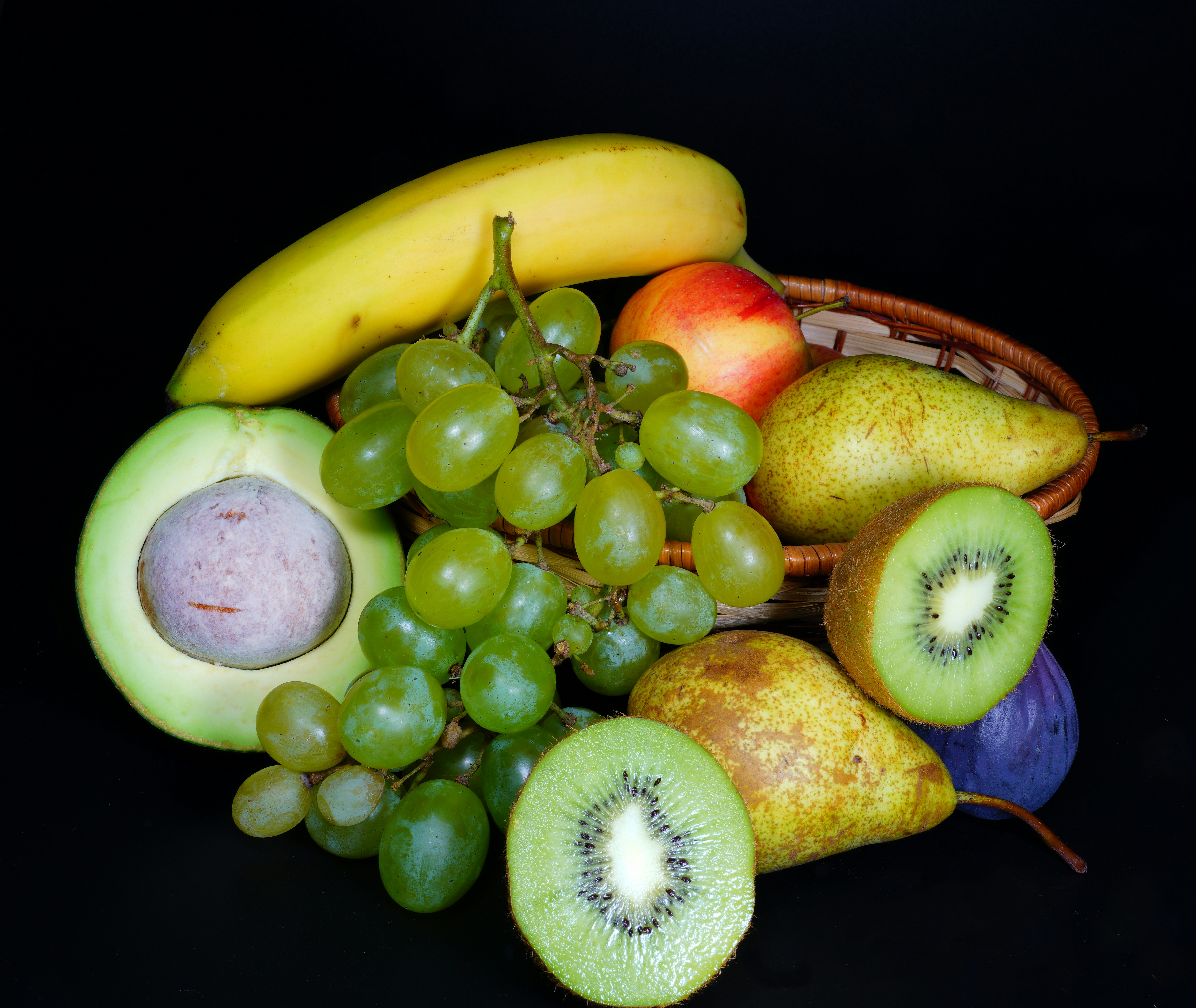
Paleo, on the other hand, plays nicer with the real world. It’s still clean eating you’ll avoid processed stuff, grains, and legumes but you have more leeway. Fruit’s on the table. Some carbs too. It’s easier to stick with when you’re traveling, hitting a restaurant, or just trying not to be that person at the dinner party.
If you’re eyeing a sustainable middle ground, with balance and heart health at its core, check out A Beginner’s Guide to the Mediterranean Diet.
Which One Is for You?
Choose Keto if you want fat loss to be your mission and structure to be your ally. This diet doesn’t mess around it demands consistency, tight carb control, and a willingness to adapt through the rough patches (hello, keto flu). If you like systems, measurable results, and don’t mind skipping the breadbasket forever, Keto’s your lane.
Choose Paleo if you’re after clean eating without feeling like you’re doing calculations at every meal. There’s more variety, less obsession over macros, and an emphasis on real, whole food. It’s the go to for folks who want nutrition that aligns with lifestyle and values more than hardcore fat burning tactics.
Bottom line: both diets work but only if they work for you. Your preferences, discipline level, and long term goals should drive the choice. In 2026, personalization wins. There’s no gold medal for suffering through something that doesn’t fit. Choose the system that supports your energy and keeps you consistent.
