
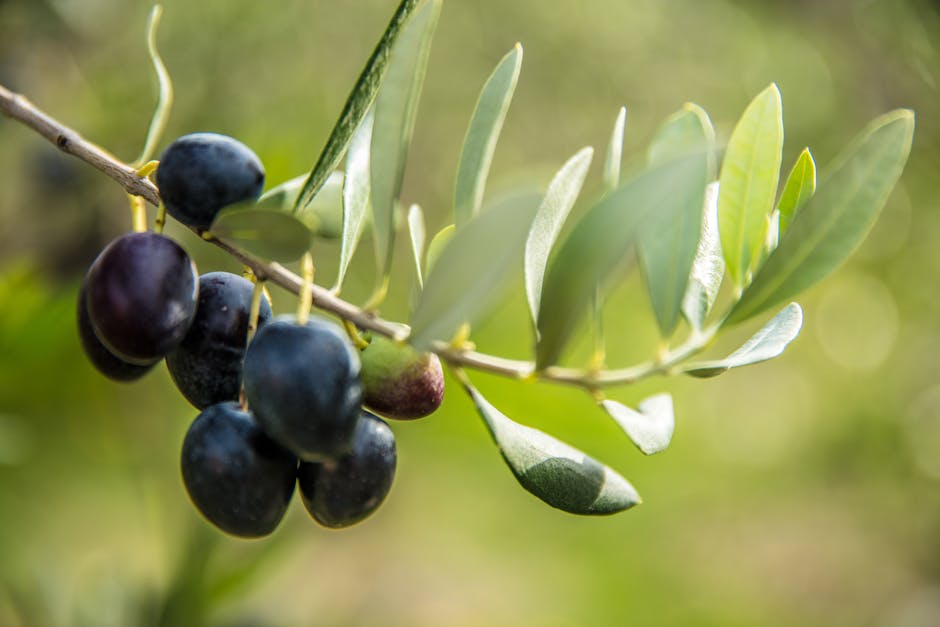
What the Mediterranean Diet Actually Is
At its core, the Mediterranean Diet isn’t some flashy quick fix it’s how people have eaten for centuries in places like Greece, Italy, and southern Spain. The foundation? Real food. Lots of plants. Think colorful produce, hearty legumes, whole grains that actually look like grains, and foods that come from the ground, not a wrapper.
Healthy fat plays a starring role here, especially from olive oil. Not the overly processed stuff, but cold pressed, deep green, peppery olive oil. Add in a handful of nuts or seeds, and you’re working with fats your body actually knows how to use.
Fish, especially the oily kinds like sardines and salmon, make a regular appearance not every day, but enough to matter. Red meat? It’s not banished, just dialed way down. And wine? Yeah, it’s on the table too just one glass, with dinner, and never forced.
This way of eating wasn’t built in a lab or dreamed up by a wellness brand. It grew from daily life, from traditions passed down in coastal villages. It’s not trendy. That’s the point. It works because it’s simple, lived in, and time tested. If you’re tired of diets chasing headlines, this one’s been quietly doing its job for generations.
Why 2026 Is the Perfect Year to Start
The Mediterranean Diet isn’t new and that’s exactly the point. It’s been the subject of decades of rigorous health research. Study after study links it to longer life expectancy, lower rates of chronic disease, and solid heart health. This isn’t some passing fad backed by a supplement company it’s a lifestyle backed by science.
Global health organizations continue to vouch for it. Whether it’s cardiologists or nutritionists, the message remains steady: this diet works across age groups, cultures, and fitness levels. It’s practical in the real world, not just on paper.
What really sets the Mediterranean Diet apart is how livable it is. You won’t see long forbidden lists or strict macros. It leans into what you can eat rich flavors, satisfying fats, fresh produce, and simple prep. That makes it a solid strategy not just for weight loss, but for staying healthy without feeling like you’re constantly giving something up.
Core Foods to Keep in Your Kitchen
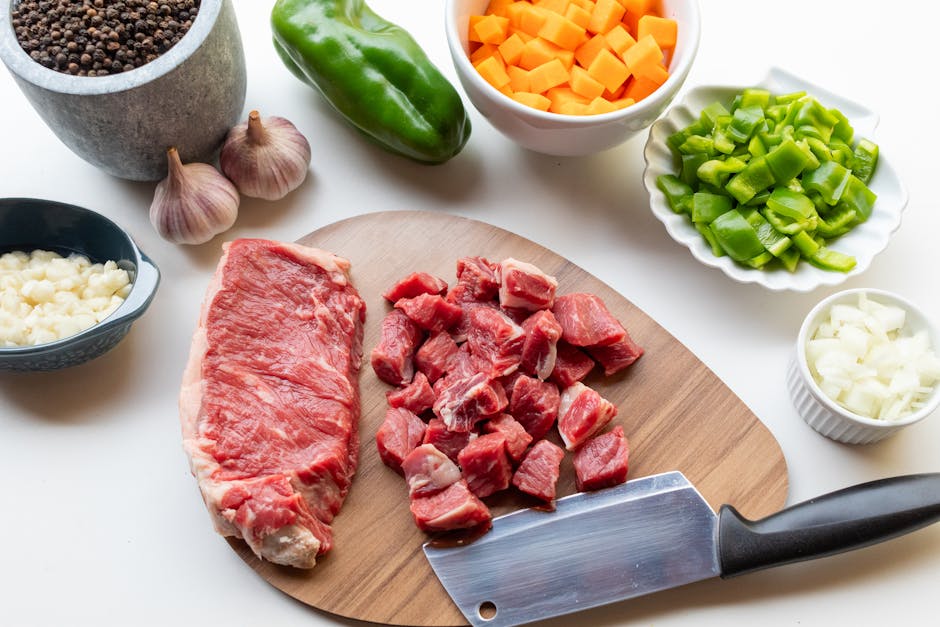
The Mediterranean diet isn’t fancy it’s built on basic, whole foods that work hard for your body. Stocking your kitchen with the right ingredients is half the battle.
Start with fresh vegetables. Tomatoes, spinach, onions, and peppers show up constantly in Mediterranean cooking. They’re versatile, hard to mess up, and packed with nutrients. If it grows from the ground and looks alive, you want it.
Legumes are your go to for plant based protein and fiber. Chickpeas, lentils, and beans not only keep you full, they bring texture and flavor to soups, stews, and spreads. Bonus: they’re cheap and shelf stable.
Whole grains like farro, quinoa, and barley form the backbone of many meals. They’re slower to digest than refined grains, so they keep you energized without the crash. Think hearty salads, warm grain bowls, and simple side dishes.
For fats, it’s all about quality over quantity. Extra virgin olive oil is non negotiable a splash here, a drizzle there. Add avocado if you’re after creaminess without reaching for mayo or butter.
When it comes to protein, think light and ocean friendly. Salmon and sardines deliver omega 3s and flavor, while eggs and Greek yogurt provide steady hits of protein without the heaviness of red meat.
Finally, ditch the heavy sauces. Use herbs and spices like oregano, garlic, and cumin to build flavor without the sludge. This is where meals go from bland to craveable and it’s all still good for you.
Keep these staples on hand and you won’t need a meal plan. Just real food, real fast.
What This Diet Can Do for Your Health
Choosing the Mediterranean diet isn’t just about what’s on your plate it’s a long term investment in your overall well being. Here’s how this balanced, nutrient rich approach can make a difference:
Reduces Risk of Chronic Diseases
The Mediterranean diet has been extensively studied for its ability to lower the likelihood of serious health conditions:
Heart disease Thanks to healthy fats and an emphasis on whole foods, this diet supports cardiovascular health.
Type 2 Diabetes A steady intake of fiber rich legumes and whole grains helps regulate blood sugar levels.
Cognitive Decline Antioxidant rich foods like leafy greens and olive oil may help protect against Alzheimer’s and other neurodegenerative conditions.
Promotes Healthy Aging
A diet rich in anti inflammatory ingredients such as omega 3 fatty acids, fruits, and vegetables promotes cell repair and longevity. Over time, this can lead to:
Improved joint health
Stronger immune response
Lower incidence of age related illnesses
Encourages Sustainable Weight Management
This isn’t a crash diet it’s a lifestyle. Combined with an active routine, the whole foods and healthy fats promoted by the Mediterranean diet support natural weight maintenance without excessive restriction or calorie counting.
Balanced meals foster satiety and prevent overeating
Dietary fiber keeps digestion regular and energy stable
Supports Mental Well Being
Nutrients found in Mediterranean staples have been linked to improved brain chemistry and mood regulation:
Fats from olive oil and nuts contribute to better brain function
Eating in a communal, mindful way supports emotional wellness
Bonus Insight: Curious how this approach compares to other methods? Check out The Pros and Cons of Intermittent Fasting for Weight Loss for a balanced look at another popular health strategy.
Tips to Make It Stick
The Mediterranean diet isn’t a sprint it’s a way of showing up for your health every day. That means thinking in terms of lifestyle, not just a temporary fix to drop a few pounds. Start small. Build habits you can live with long term rather than crash over short term goals.
One simple and repeatable strategy: shop the outer edges of the grocery store. That’s where you’ll find the fresh produce, seafood, dairy, and whole foods that are the backbone of the Mediterranean approach. Less time in the center aisles means less processed food in your cart and on your plate.
There’s also power in connection. Meals shared with family, friends, or even neighbors can make healthy eating feel less like a chore and more like a culture. Don’t underestimate the mood boosting power of a home cooked dinner with good conversation.
And when life throws you off? Don’t sweat it. Flexibility is part of the game. Skip the guilt after a big night out or an off track week just course correct and keep moving forward. The Mediterranean philosophy isn’t about restriction. It’s about rhythm and balance.
Small choices, repeated consistently. That’s how this way of eating sticks.
Final Word: Keep It Simple
You don’t need complicated rules or strict tracking to see results. The Mediterranean approach works because it grounds you in real food. Not powders. Not bars. Real meals, built around plants, healthy fats, and unprocessed ingredients. It’s not about perfection it’s about showing up consistently.
Eat with others when you can. Slow down. Enjoy the food you make. This diet isn’t just fuel it’s culture, conversation, and connection. Daily movement matters, too. Walk more. Stretch. Take the stairs. You don’t need a gym membership to live longer and feel better.
None of this is about cutting out entire food groups or obsessing over numbers. It’s about forming habits that actually last. In 2026, wellness isn’t about willpower it’s about pattern. And the Mediterranean mindset is one worth repeating.
