
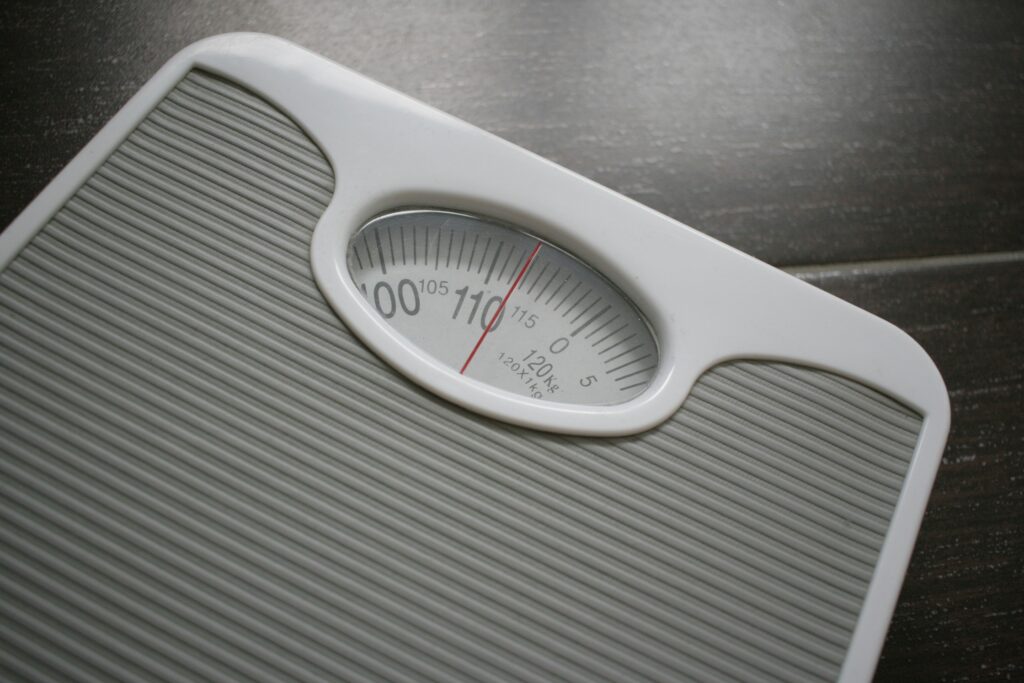
Why Hormones Control More Than You Think
Weight loss isn’t just about calories in and calories out anymore. Behind the scenes, hormones have a louder voice than most people realize. Insulin, cortisol, leptin, and ghrelin all play major roles in deciding whether your body stores fat or burns it. If those systems are out of sync, even the most disciplined diet or toughest workout won’t cut through the noise.
Take insulin: it regulates blood sugar but also cues your body to store fat. Cortisol spikes when you’re stressed and can make belly fat stick. Leptin tells you when you’re full; ghrelin shouts when you’re hungry. When these signals get crossed thanks to stress, poor sleep, or restrictive dieting your body resists change. That’s why some people feel like they’re doing everything right but seeing no results.
That old one size fits all model of weight loss is on its way out. In 2026, more clinics are leading with science testing hormonal profiles before giving out meal plans or workout advice. It’s not just about trying harder, it’s about being smarter. Tailored, biology based approaches are giving people better results and fewer setbacks. The future of weight management is personal, and it starts with your hormones.
Cortisol
Cortisol’s job is to keep you alert and ready in stressful moments. But when stress turns chronic and let’s be honest, for many it is cortisol stops helping and starts hurting. It signals the body to hold on to fat, especially around the belly. That’s not just about looks; abdominal fat is linked to higher risk of metabolic problems.
High cortisol also messes with other key hormones. It dampens leptin, making it harder to feel satisfied, and boosts ghrelin, which ramps up hunger even after you’ve eaten. You feel like you’re fueling up for a fight, but the threat is just another work email.
If you’re grinding through workweeks without real rest, expect your body to push back. And no, five hours of sleep and a double espresso don’t count as recovery. Managing stress isn’t optional it’s part of how you get your hormones, and your fat loss, in check.
Practical Ways to Support Hormonal Balance

If your hormones are out of step, nothing else works quite right. Start with nutrition. Base your meals around whole foods think high fiber veggies, clean protein like eggs or fish, and fats that actually help your body: avocado, olive oil, nuts. This isn’t about cutting calories to the bone; it’s about giving your hormones the raw materials they need to do their jobs.
Next: sleep. You can’t hack it. Seven to nine hours isn’t a suggestion it’s the sweet spot where your leptin (the hormone that tells you you’re full) stabilizes. Sleep deprivation scrambles that system fast.
Exercise matters but smarter, not harder. Endless cardio can stress your system. Instead, lean into strength training. It helps regulate insulin and keeps cortisol from running wild. Short, focused sessions a few times a week beat burnout marathons every time.
Finally, don’t ignore stress. Your body reads constant pressure the same way it reads danger: cue elevated cortisol, disrupted sleep, and increased fat storage. Implement a daily wind down ten minutes of walking, breathwork, or basic meditation counts. The point is consistency, not Instagrammable zen.
Small adjustments stack up. Respect the process. Let your hormones lead.
The Power of Tracking How Your Body Responds
If you’re not tracking, you’re guessing. Hormonal shifts don’t always announce themselves with fanfare they creep in. A spike in late night snacking, struggles with motivation, a workout that felt weirdly harder than usual that’s data. By logging meals, moods, workouts, and energy levels, you start seeing trends. Maybe dairy triggers bloating. Maybe 3 p.m. crashes follow days with poor sleep. These aren’t just annoyances they’re clues.
Journaling doesn’t need to be precious or perfect. A few quick notes per day add up. After a couple of weeks, patterns emerge you couldn’t see in real time. That’s when change gets smarter. You tweak your food timing. You shift workouts to mornings when cortisol is naturally higher. You preempt plateaus before they hit.
Want help choosing tools or templates? Check out Tracking Your Progress: Weight Loss Journals and Tools for ideas you can start using today.
Final Thought: Balance, Not Burnout
The old weight loss grind starve, sweat, repeat is finally running out of gas. In 2026, the smarter approach is about alignment, not punishment. Working with your body instead of against it means understanding the hormonal levers that quietly steer everything from cravings to metabolism.
Your hormone profile isn’t just background noise it’s the engine. When insulin, cortisol, and appetite regulating hormones like leptin and ghrelin are dialed in, your body becomes far more efficient at managing energy and burning fat naturally. That means fewer extremes, less yo yo weight, and more sustainable progress.
Instead of relying on sheer willpower, people are getting wins by mastering biology. Think: consistent sleep, nutrient dense meals, and movement that steadies not spikes your internal systems. It’s not just about fewer calories. It’s about smarter inputs. And knowing yourself, inside and out. That’s where real momentum begins.

 There is a specific skill involved in explaining something clearly — one that is completely separate from actually knowing the subject. Zyphara Quenvale has both. They has spent years working with nutrition and healthy eating tips in a hands-on capacity, and an equal amount of time figuring out how to translate that experience into writing that people with different backgrounds can actually absorb and use.
Zyphara tends to approach complex subjects — Nutrition and Healthy Eating Tips, Health and Wellness Insights, Meal Planning Ideas being good examples — by starting with what the reader already knows, then building outward from there rather than dropping them in the deep end. It sounds like a small thing. In practice it makes a significant difference in whether someone finishes the article or abandons it halfway through. They is also good at knowing when to stop — a surprisingly underrated skill. Some writers bury useful information under so many caveats and qualifications that the point disappears. Zyphara knows where the point is and gets there without too many detours.
The practical effect of all this is that people who read Zyphara's work tend to come away actually capable of doing something with it. Not just vaguely informed — actually capable. For a writer working in nutrition and healthy eating tips, that is probably the best possible outcome, and it's the standard Zyphara holds they's own work to.
There is a specific skill involved in explaining something clearly — one that is completely separate from actually knowing the subject. Zyphara Quenvale has both. They has spent years working with nutrition and healthy eating tips in a hands-on capacity, and an equal amount of time figuring out how to translate that experience into writing that people with different backgrounds can actually absorb and use.
Zyphara tends to approach complex subjects — Nutrition and Healthy Eating Tips, Health and Wellness Insights, Meal Planning Ideas being good examples — by starting with what the reader already knows, then building outward from there rather than dropping them in the deep end. It sounds like a small thing. In practice it makes a significant difference in whether someone finishes the article or abandons it halfway through. They is also good at knowing when to stop — a surprisingly underrated skill. Some writers bury useful information under so many caveats and qualifications that the point disappears. Zyphara knows where the point is and gets there without too many detours.
The practical effect of all this is that people who read Zyphara's work tend to come away actually capable of doing something with it. Not just vaguely informed — actually capable. For a writer working in nutrition and healthy eating tips, that is probably the best possible outcome, and it's the standard Zyphara holds they's own work to.