
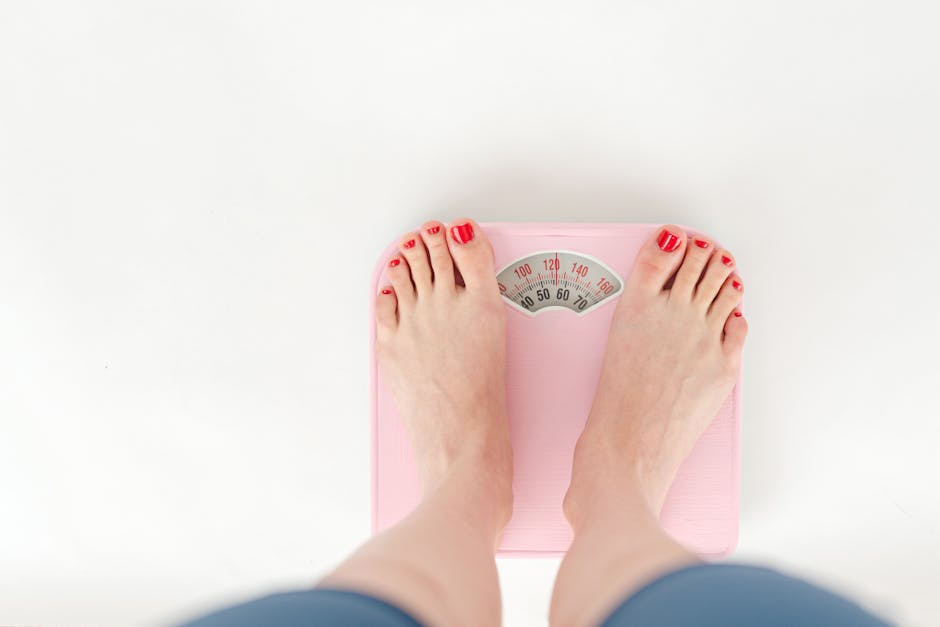
Why Tracking Still Works in 2026
It’s easy to lie to yourself. That’s why data matters.
When your progress lives on paper or in an app you can’t ignore it. Tracking your weight loss journey strips away the fog of perception. One skipped workout becomes visible. Eating habits reveal themselves. Over time, the numbers expose the truth: what’s working, what’s not, and where the leaks are. Real data shuts down excuses.
Daily tracking tightens your routine. Logging your meals and movement makes you show up differently. It nudges you toward better decisions. Craving pizza? You might still have it. But when it’s going in the journal, there’s a pause and that pause is power. That’s what builds consistency.
Long term success hinges on trends. Progress isn’t linear. It zigzags. But patterns tell the real story: whether you’re spiraling, stalling, or climbing. Tracking gives you a dashboard. It doesn’t just show where you’ve been it helps steer the next move.
Paper, Apps, or Wearables? Picking the Right Tools
Choosing how to track your weight loss journey isn’t one size fits all. The best tool is the one you’ll actually use and stick with.
Traditional Journals are simple but powerful. They give you space to slow down and reflect what you ate, how you felt, what triggered a craving. No syncing. No data overload. Just you, your thoughts, and a pen. For people who process through writing or want flexibility, this method nails it. But the downside? No built in reminders, no charts, and it’s easy to forget or fudge the numbers.
Calorie & Activity Apps like MyFitnessPal, Lose It!, and Noom help turn tracking into a daily habit. The big win here is automation log a meal in seconds, scan barcodes, connect it all to your workouts. These tools give you real time insights: calories in vs. out, macros, trends. Great for data driven folks. That said, you can overspend time obsessing over numbers. Burnout is real if used rigidly.
Smart Wearables think Fitbit, WHOOP, or Apple Watch take tracking into the 24/7 zone. They collect passive data on sleep, heart rate, activity, and even recovery. Tools like HRV (Heart Rate Variability) sound geeky but tell you how ready your body is to work. Wearables can surface patterns you’d never spot on your own, like stress linked weight stalls or poor sleep tanking your workouts. The flip side: devices require charging, upfront cost, and a bit of tech comfort.
Each tool has trade offs. Low tech journals build self awareness. Apps offer structure and analytics. Wearables uncover hidden variables. Choosing one or combining a few comes down to how much feedback you need, what motivates you, and how you live day to day.
What to Track (Besides the Scale)

Let’s get something straight: the number on the scale doesn’t tell the whole story. In fact, it barely scratches the surface. If you want to track progress that actually matters, shift focus to measurements. Waist, hips, and neck are far better indicators of fat loss and body recomposition than your fluctuating morning weigh in. Tape doesn’t lie especially over weeks and months.
Mood and energy levels are equally crucial. If you’re tired, irritable, or wiped out every day, something’s off. Logging how you feel helps connect the dots between your diet, activity, and overall well being. Consistency becomes way easier when you feel good doing it.
Don’t ignore hunger cues or cravings. Write down when you feel pulled to snack and what triggers it stress, boredom, the clock? You’re looking for patterns, not perfect behavior. This isn’t about guilt. It’s about awareness.
And when you hit a plateau and you will log it. Not just that weight hasn’t budged, but what else is (or isn’t) happening. Did your sleep change? Are old habits sneaking back in? Or maybe your metabolism is just adjusting. Staying objective here keeps you from spiraling. A plateau isn’t failure it’s feedback.
Data is power, but only if you’re tracking the right stuff.
How Often Should You Log?
Finding the right tracking rhythm can make the difference between staying motivated and feeling overwhelmed. How often you log depends on your stage in the journey, your goals, and your mental bandwidth. Here’s a breakdown to help guide your decision.
Daily Logging: Build Awareness Early On
Starting strong often requires daily attention. Logging every day helps you:
Build consistent habits quickly
Catch patterns in eating, energy, and mindset
Keep goals top of mind during each decision
This approach is especially useful in the early stages of a weight loss or lifestyle shift.
Pro Tip: Be honest, not perfect. Daily logs aren’t about strict control they’re a mirror, not a measuring stick.
Weekly Logging: Maintain Momentum Without Burnout
As you settle into a routine, daily tracking can feel tedious. This is where a weekly logging schedule shines:
Offers balance between awareness and freedom
Helps reduce tracking fatigue
Still allows you to catch key fluctuations in weight, mood, or habits
Weekly logs work well for those focused on sustainability over speed.
Monthly Reviews: See the Bigger Picture
When you’ve built a rhythm, zooming out becomes powerful. Monthly reviews provide:
A bird’s eye view of progress
Insight into cycles (like hormonal changes, stress, or travel patterns)
Clarity on when and how to adjust your goals or strategies
Consider setting aside time each month for a full check in weight, measurements, photos, energy levels, and mindset reflection.
Remember: You don’t have to pick just one approach. Many successful trackers use a hybrid method daily logs with weekly summaries and monthly reviews.
The Science Behind Set Point and Why It Matters
Your Body’s Biological Set Point: What It Is
Your set point refers to the weight range your body naturally tries to maintain and defend. This is a result of complex hormonal, neurological, and metabolic mechanisms. When you lose weight, your body doesn’t simply cheer you on it actively tries to bring you back to its ‘comfort zone.’
Hormones signal hunger and fullness differently during weight loss
Metabolism may slow down to conserve energy
Cravings and fatigue can increase, pushing you to revert to old habits
This biological defense isn’t failure it’s science. And once you understand it, you can work with it instead of fighting blind.
How Journaling Helps You Push Past It
Using a weight loss journal goes beyond logging calories or steps. It helps uncover emotional triggers, lifestyle habits, and daily patterns that reinforce your set point weight. The goal is to create mindful, intentional changes that tell your body: a new normal is on the way.
Key journaling strategies to override old habits:
Track moods, energy levels, and sleep to connect lifestyle habits to weight trends
Note stress related eating or emotional patterns
Identify routines that promote consistency then double down on them
By becoming more aware, you gain the ability to respond, not just react breaking the cycle that keeps you stuck.
Plateaus: Resistance, Not Regression
Hitting a plateau can feel discouraging, but it’s often a clear sign your body is recalibrating. Weight stalls are a normal, expected part of the process and not an indication of failure.
Use your journal to analyze what’s changed (or hasn’t)
Recognize signs of progress outside the scale like better sleep or mood stability
Review whether habits are slipping or if it’s simply time for a strategic tweak
The solution isn’t always to double your workouts or slash more calories. Often, it’s giving your body space to adjust and slowly shift that set point over time.
For more depth, read: Understanding Set Point Theory in Long Term Weight Control
Final Take: Log with Purpose
This isn’t about filling notebooks or checking off boxes. It’s about using your journal as a steering wheel you’re constantly adjusting, not just admiring the page. Every entry should serve a purpose: what worked, what didn’t, what’s next. If you’re just logging numbers without thinking about what they mean, you’re missing the point.
Think of your journal as a coach, not a critic. It’s not there to shame you. It’s a mirror one that gives honest feedback so you can course correct when needed. On tough weeks, it shows you patterns. On strong weeks, it shows progress. Sometimes progress looks like better meal timing. Sometimes it’s getting out of a funk and lacing up your shoes anyway.
The real wins aren’t always numerical. What’s your energy like? Are you more confident, more consistent, less reactive? Those are signs of change even a smart scale can’t measure. Your journal can track them if you let it.
