
Why Plant Based Eating Still Leads in 2026
Proven Health Benefits Backed by Science
In 2026, plant based eating remains a top choice for those prioritizing health and wellness. A growing body of research continues to support the powerful impact of plant forward diets on overall health:
Heart health: Diets rich in vegetables, fruits, whole grains, and legumes help reduce LDL cholesterol and improve blood pressure.
Reduced inflammation: Minimally processed plant foods are associated with lower levels of chronic inflammation, a key driver of diseases such as arthritis, diabetes, and even some cancers.
Sustainable weight management: High fiber, nutrient dense plant foods promote satiety and help regulate appetite without excessive calorie intake.
Eco Conscious Eating Gains Momentum
Beyond personal health, plant based diets are now widely recognized as a crucial step toward environmental sustainability. Consumers are becoming more mindful of:
Lower carbon footprints from plant based food production
Reduced water usage compared to animal agriculture
Support for ethical farming practices and biodiversity
This awareness is influencing purchasing habits, community supported agriculture, and even how grocery stores source their products.
A More Flavorful, Global, and Technologically Enhanced Future
Plant based eating in 2026 isn’t just about salads and smoothies it’s an exploration of global flavor profiles, food innovation, and cultural inclusivity. Key trends include:
International influences from Asian, Middle Eastern, African, and Latin American cuisines
Emergence of food tech innovations like plant based seafood and lab grown dairy alternatives
Creative culinary techniques revitalizing classic comfort foods with plant based ingredients
As taste, convenience, and sustainability converge, it’s no surprise that plant based diets continue to dominate headlines and home kitchens alike.
Whole Food Plant Based (WFPB)
This plan strips food back to its essentials: vegetables, fruits, whole grains, legumes, nuts, and seeds. All minimally processed. All whole. No oil, no refined sugar, no additives. It’s clean fuel for your body and mind. Unlike looser plant based diets, the WFPB approach draws a hard line. It’s not just meat free it’s junk free.
This isn’t a quick fix or a flashy trend. People follow this for long term heart health, weight maintenance, and anti inflammatory benefits. It’s the steady route, not the shortcut. And yes, it takes work but the payoff is big over time.
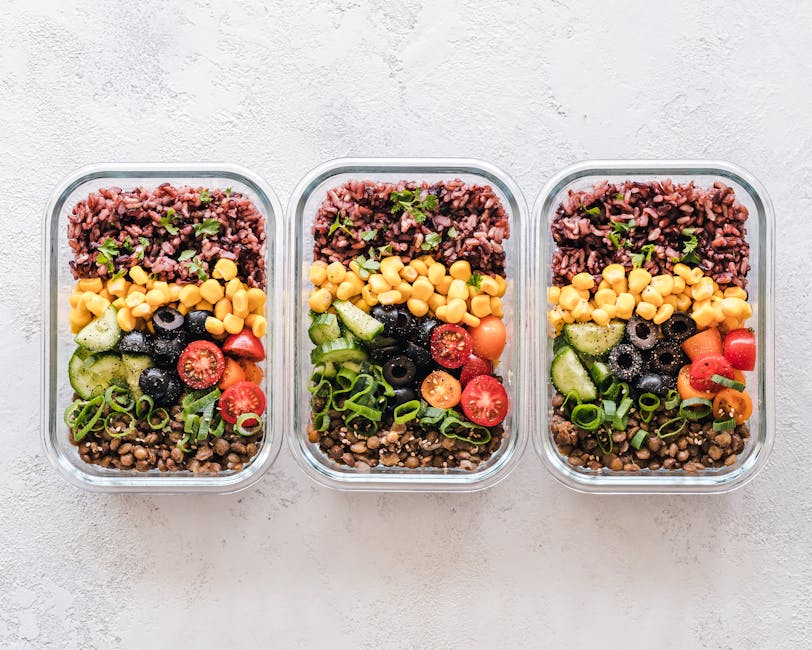
Meal prep is half the battle. If your fridge is stocked with pre cooked grains and legumes, your week runs smoother. Think batch cooked quinoa, lentil stews, or mason jar salads ready to grab. Make the hard choice once, then coast on it all week.
If you’re looking for simplicity, discipline, and clean eating without the guesswork, this is your lane.
Flexitarian
A Plant Based Plan with Flexibility
The Flexitarian diet is ideal for those who want to focus on plant based eating without giving up meat, fish, or dairy entirely. It’s a flexible framework that encourages more plant consumption while allowing occasional animal products.
Mostly plant based: The foundation includes fruits, vegetables, whole grains, legumes, nuts, and seeds
Occasional inclusion: Small portions of meat, fish, eggs, or dairy can be included with intention
Low barrier to entry: Great for beginners transitioning toward plant based living
Why It Works
Flexitarianism offers both health and practical benefits. It’s easier to follow and sustain, especially for individuals easing into a new diet routine.
Supports balanced nutrition: Easier access to critical nutrients that pure vegans must supplement such as:
Vitamin B12
Iron (via meat or fortified products)
Omega 3 fats (via fatty fish or fortified plant oils)
Customizable: Adjust frequency of non plant meals based on your unique lifestyle and goals
Appealing to families: Flexibility helps households with mixed dietary preferences eat together
Personalized for You
This diet allows you to evolve based on your needs over time. Whether your goals are weight loss, heart health, or energy, it offers room to adapt.
Start small: Try going fully plant based during the week and flexible on weekends
Track how your energy, digestion, and cravings respond
Adjust levels of animal products to support your unique body requirements
Want to take your plan to the next level? Learn how to better tailor your meals in this guide to personalizing your diet by body type.
Vegan High Protein Plan
This one’s for the movers. Whether you’re lifting heavy, logging miles, or chasing PRs, the vegan high protein plan gives you fuel without the filler. It’s clean, efficient, and designed to support recovery and performance.
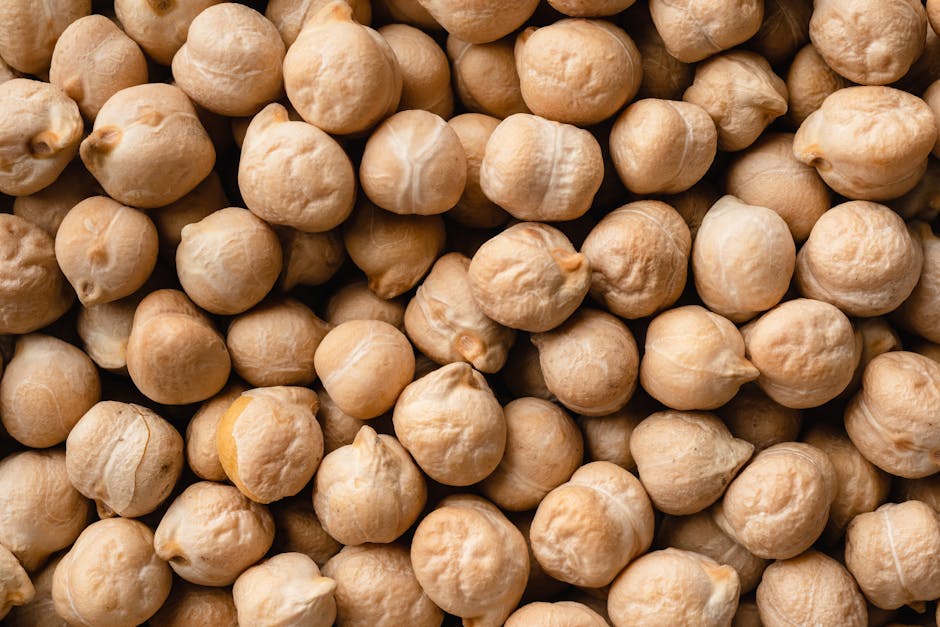
The core of this plan is smart protein stacking think tofu, tempeh, seitan, legumes, quinoa, and soy milk. These aren’t just plant based fillers; they’re serious protein sources that hold their ground against animal products. Mix and match to meet your macros while keeping your meals interesting.
But food alone won’t cut it for intense training. Supplementing with vitamin B12 is mandatory on any vegan plan. Creatine helps with strength and explosiveness, especially in short bursts. EPA and DHA from microalgae round things out, supporting brain health and reducing inflammation.
This isn’t a casual salad and smoothie routine. It’s built for function, not fluff. Dial it in, and your plant powered gains will speak for themselves.
Raw Vegan
The raw vegan approach keeps things simple, but that doesn’t mean it’s easy. The core idea is zero cooking food is eaten in its natural, uncooked state to preserve enzymes and squeeze out the highest possible nutrient density. Think fresh fruits, leafy greens, sprouted grains, raw nuts, seeds, and fermented foods that haven’t been pasteurized.
This plan thrives on quality sourcing. You’ll need to be intentional about where your food comes from and how it’s handled. A lot of prep, cutting, blending, and soaking happens behind the scenes. The upside? Cleaner digestion, a lighter feel in the body, and a reset for people overprocessed by, well, processed stuff.
Still, it’s not built for everyone. In colder months or high demand lifestyles, the lack of warming foods or heavier calories can make it a tough longer term fit. That’s why many use it as a cycle or break just a day or two a week to recalibrate. Think of it as hitting the nutritional reset button without overcomplicating things.
Mediterranean Inspired Plant Based Plan
The Mediterranean inspired plant based diet blends the flexibility of traditional Mediterranean eating with a strong emphasis on plant forward choices. Its unique appeal lies in its balance, flavor diversity, and cultural adaptability.
A Balanced Approach to Plant Based Living
This diet style doesn’t require full elimination of animal products. Instead, it prioritizes plant based meals while incorporating occasional fish or dairy in moderation.
What’s on the plate:
Fresh vegetables and leafy greens
Whole grains like farro, bulgur, and brown rice
Legumes such as lentils and chickpeas
Healthy fats including olives, avocados, and extra virgin olive oil
Herbs and spices for flavor without excess salt
Occasional fish or seafood (optional based on preferences)
Benefits at a Glance
This plan is highly regarded for both its wellness and longevity benefits:
Heart healthy: Linked to reduced risk of cardiovascular disease
Naturally anti inflammatory: Thanks to omega rich fats and antioxidant rich foods
Digestive friendly: High in fiber from varied whole food sources
Easy to Sustain, Globally Relevant
One of the most inclusive and flexible plant based models, this diet accommodates different culinary traditions and reduces the feeling of restriction.
Why it works for the long haul:
Allows for occasional flexibility while staying mostly plant based
Encourages flavorful, culturally rich meals not just nutrient tracking
Adaptable across cuisines (Mediterranean, Middle Eastern, North African, etc.)
If you’re craving a lifestyle rhythm that feels natural, balanced, and full of variety, this plan may be the most sustainable of all.
Making the Right Choice
There’s no perfect plant based diet only the one that works for you. Start by getting clear on what you’re aiming for. Want to lose weight? Focus on fiber rich veggies and minimally processed foods. Training hard? Prioritize protein and recovery nutrients. Trying to manage long term health or boost daily energy? You’ll lean more into balance, diversity, and consistency.
Your body’s feedback matters more than any trend. How you feel, how you sleep, how your energy holds across the day these are your best indicators. Use them. Adjust as needed. Eat more of what fuels you and less of what drains you.
Don’t be afraid to test drive a few styles. Pull the high protein focus from vegan athletes, mix in the flexibility of a Mediterranean plan, and throw in raw days when your digestion needs a reset. The right choice is the one you can stick with, because it fits your goals and your life.
