

Start With the Serving Size
Before diving into calories, fats, or sugars, look at the serving size the most crucial detail that sets the groundwork for everything else on the label.
Why It Matters More Than You Realize
The serving size determines how much of each nutrient is listed. If you misread or skip it, your entire understanding of the nutrition label can be off.
All other nutrition facts apply only to the listed serving size
Many packages contain more than one serving, even if the container looks like a single portion
“Serving size” is regulated but may not reflect how much people actually eat
The Trap: “Per Serving” Can Mislead
Some products appear healthy at first glance until you realize the label represents a tiny portion.
Examples to watch for:
Small snack bags that show low calories but contain 2 3 servings
Beverages that list nutrition per 8 oz, but come in 20 oz bottles
Frozen meals or cereal boxes where a serving is only a fraction of what people typically consume
How It Impacts Calories, Fat, and Nutrients
Misinterpreting the serving size can throw off your understanding of the full nutritional impact.
Calories: Double or triple depending on how much you eat
Fat: Including saturated and trans fats, scale directly with servings
Sodium and Sugar: Easy to underestimate when servings are small
Smart move:
Always calculate the amount you actually eat versus the serving listed and adjust the numbers accordingly. It’s a small step that makes a big nutritional difference.
Calories Aren’t Everything
Let’s get this straight: calories measure energy, not quality. Two snacks can have the same calorie count but wildly different effects on your body. A handful of almonds and a frosted donut might clock similar numbers, but one fuels you, the other burns through you fast and leaves you crashing. Knowing the difference between empty calories and nutrient dense foods isn’t just helpful it’s critical.
Empty calories come from stuff like added sugars and refined oils with little nutritional backup. No vitamins. No fiber. No protein. They do almost nothing for your body except spike your blood sugar. Nutrient dense foods, on the other hand, pack useful stuff into every bite think leafy greens, legumes, nuts, lean proteins. These support energy, mood, digestion, muscle recovery. Real benefits.
And here’s the part most people get wrong: low cal doesn’t always mean better. Chasing the lowest number on the label can backfire if it means giving up nutrients your body actually needs. Balance beats minimalism when it comes to food.
If there’s one takeaway, it’s this don’t just count calories. Make the calories count.
The Big Four: Fat, Sodium, Carbs, Sugar
When it comes to nutrition labels, these four categories are where a lot of shoppers get stuck or misled. Here’s how to cut through the noise:
Total Fat vs. Saturated and Trans Fats
Not all fat is bad. What matters is the type. Total fat tells you everything in one number, but dig deeper. Saturated fats the kind found in processed meats and full fat dairy should generally be limited. Trans fats? Avoid them entirely. Even if a label says “0g trans fat,” check the ingredient list for hydrogenated oils. If they’re there, some trans fat probably is too, just under the legal reporting threshold.
Sodium Overload and Its Long Term Impacts
The average person consumes far more sodium than necessary, mostly from packaged foods. High levels of sodium are linked to long term issues like high blood pressure and heart disease. A single frozen meal can clock in at over 1,000mg that’s nearly half your daily max. Aim for 5% Daily Value or less per serving if you’re trying to keep it in check.
Carbs: Simple vs. Complex
Carbs aren’t the villain context is key. Simple carbs (think white bread, sugary cereal) give a quick spike in energy but fade fast. Complex carbs (oats, lentils, whole grains) digest slower, keeping you fuller longer and your blood sugar steady. Instead of obsessing over grams, look at the source. Is it coming from whole, fiber filled ingredients or stripped down flour and sweeteners?
Added Sugars How to Spot Them Quickly
This one’s a hidden trap. Natural sugars like those in fruit or milk aren’t a problem. Added sugars are. They’re tossed into products during processing and add calories with zero nutrients. On the label, look under “Total Sugars” for how many grams are “added.” Then check the ingredient list for aliases: anything ending in ose, syrups, honey, molasses, you name it. The closer they are to the top of the list, the higher the amount.
Reading these parts of a label doesn’t take long, but knowing what to focus on will help you skip the fluff and make better choices faster.
Nutrients Worth Paying Attention To
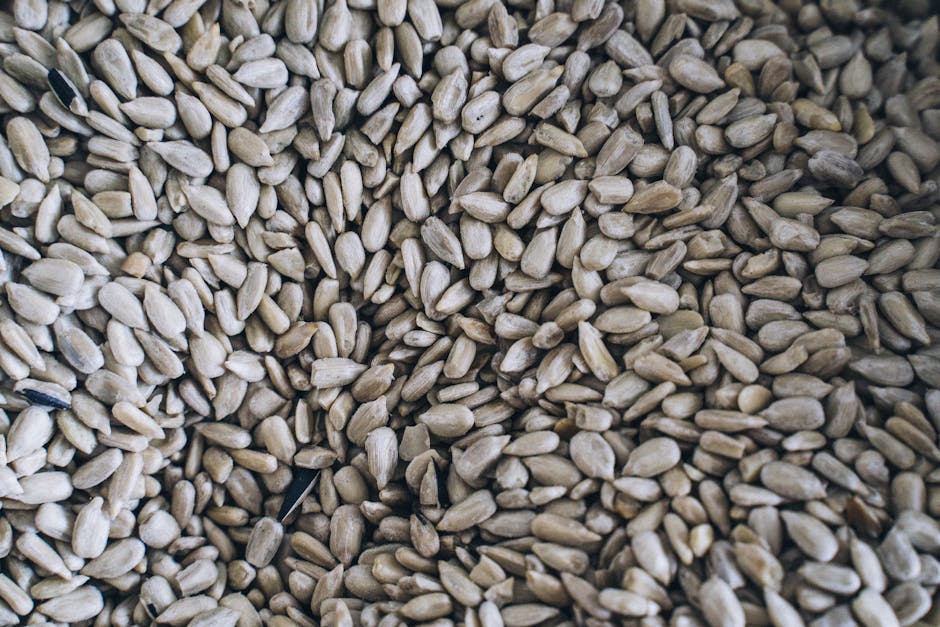
Fiber doesn’t scream for attention, but it should. It’s one of the most underrated things on any nutrition label. Why? It slows digestion, keeps you fuller longer, and helps regulate blood sugar. If you’re eating something with carbs especially packaged carbs check the fiber. More is better. Aim for at least 3 grams per serving if you want it to actually do something.
Protein gets a lot of hype, but it’s not just about how much you need to think about quality. Look for complete sources if you can (think eggs, dairy, meat, or soy). Plant based? You may need a mix (like rice and beans) to tick all the amino acid boxes. Don’t fall for the high protein label unless it’s backed by real ingredients and not just a scoop of filler.
Now, vitamins and minerals. The “% Daily Value” part? That tells you how much one serving contributes to your daily needs based on a 2,000 calorie diet. A food that gives you 20% or more of something valuable (like iron or calcium) is great. A product loaded with 40% sodium and nothing else? Not so great.
When prioritizing, filter everything through your personal goals. Want more energy? Focus on iron and B vitamins. Managing blood sugar? Emphasize fiber and avoid added sugars. It’s less about chasing perfection and more about picking the things that move you closer to where you want to be.
Watch the Ingredient List
If you only check one part of a food label, make it the ingredient list.
First rule: order matters. Ingredients are listed by weight, from most to least. If sugar, corn syrup, or any kind of oil shows up first (or second), that’s what you’re really eating. And keep in mind, sugar hides under a dozen names anything ending in “ ose” is a clue.
Watch for red flags like artificial sweeteners, food dyes, hydrogenated oils, and ingredients you can’t pronounce. These can mean preservatives, synthetic additives, or ultra processed base ingredients. Not all chemicals are bad but when the list reads like a science experiment, question the product.
Also, don’t be fooled by words like “natural.” It sounds clean and trustworthy, but it’s largely unregulated. “Natural flavor” can be chemically engineered. “Natural sweetener” doesn’t mean healthy it may still spike your blood sugar.
Bottom line: if the first few ingredients aren’t whole foods, pause before tossing it in your cart.
More on understanding ingredients
Front Label Claims Don’t Tell the Full Story
Walk down any grocery aisle and you’ll see “low fat,” “organic,” and “natural” on everything from granola bars to frozen pizza. These labels catch your eye, fast. But here’s the truth: not all of them mean what you think they do.
Some terms are regulated. “Organic,” for example, has specific requirements set by the USDA it needs to meet certain production standards, no shortcuts. But “natural”? That one’s murky. The FDA has no formal definition that guarantees products labeled “natural” are healthier or free from additives. It’s marketing speak.
Health halos are another trap. A food labeled “gluten free” or “vegan” might still be packed with sugar and sodium. Just because it sounds clean doesn’t make it a clean choice. The front of the package is designed to sell. The back the nutrition label and ingredients list is where the facts live.
So how do you cut through the noise? Flip the package. Check servings, added sugars, fat types, and sodium. Look at ingredients especially the first three. That’s where the real story is. Don’t let buzzwords do the thinking for you. Labels can mislead, but they can’t hide the numbers.
Pro Tips for Smarter Grocery Shopping
Sometimes it comes down to standing in front of two boxes of cereal and figuring out which one won’t spike your blood sugar before noon. Comparing similar products side by side is one of the quickest ways to sharpen your nutrition label reading skills. One glance at the sugar count, sodium levels, or ingredient list can be enough to make or break the choice.
In a rush? Snap a quick photo of the label. You can read and compare it later when you’re not juggling a shopping basket and a to do list. Saving labels also helps you track which brands deliver what they promise and which don’t.
Over time, you’ll build a personal shortlist of go to brands that align with your eating goals. That’s when shopping gets faster and smarter.
And like anything practice helps. The more labels you scan, the quicker you’ll get at spotting hidden sugars, weird oils, or genuinely good nutritional value. Reading labels doesn’t stay a chore for long. It becomes second nature.
Final Check
Before tossing something into your cart, pause for a quick scan. Start with the serving size if it’s unrealistically small, the numbers below it don’t mean much. Then check the first three ingredients. That’s where the bulk of the product comes from. If sugar shows up early, think twice. Finally, glance at the % Daily Value (%DV) for sugar and fiber. Low sugar and decent fiber? Good start.
Don’t let trends do your shopping for you. Keto, gluten free, vegan it only matters if it aligns with your health goals, not your social feed. Read with your own priorities in mind, not someone else’s food philosophy.
And if you want to take your label reading skills to the next level, learn about what those complicated ingredient names actually mean. This deep dive into food ingredients is a solid starting point.
Grocery labels don’t have to be a puzzle. Get sharper each time, and the smart picks become second nature.

 There is a specific skill involved in explaining something clearly — one that is completely separate from actually knowing the subject. Zyphara Quenvale has both. They has spent years working with nutrition and healthy eating tips in a hands-on capacity, and an equal amount of time figuring out how to translate that experience into writing that people with different backgrounds can actually absorb and use.
Zyphara tends to approach complex subjects — Nutrition and Healthy Eating Tips, Health and Wellness Insights, Meal Planning Ideas being good examples — by starting with what the reader already knows, then building outward from there rather than dropping them in the deep end. It sounds like a small thing. In practice it makes a significant difference in whether someone finishes the article or abandons it halfway through. They is also good at knowing when to stop — a surprisingly underrated skill. Some writers bury useful information under so many caveats and qualifications that the point disappears. Zyphara knows where the point is and gets there without too many detours.
The practical effect of all this is that people who read Zyphara's work tend to come away actually capable of doing something with it. Not just vaguely informed — actually capable. For a writer working in nutrition and healthy eating tips, that is probably the best possible outcome, and it's the standard Zyphara holds they's own work to.
There is a specific skill involved in explaining something clearly — one that is completely separate from actually knowing the subject. Zyphara Quenvale has both. They has spent years working with nutrition and healthy eating tips in a hands-on capacity, and an equal amount of time figuring out how to translate that experience into writing that people with different backgrounds can actually absorb and use.
Zyphara tends to approach complex subjects — Nutrition and Healthy Eating Tips, Health and Wellness Insights, Meal Planning Ideas being good examples — by starting with what the reader already knows, then building outward from there rather than dropping them in the deep end. It sounds like a small thing. In practice it makes a significant difference in whether someone finishes the article or abandons it halfway through. They is also good at knowing when to stop — a surprisingly underrated skill. Some writers bury useful information under so many caveats and qualifications that the point disappears. Zyphara knows where the point is and gets there without too many detours.
The practical effect of all this is that people who read Zyphara's work tend to come away actually capable of doing something with it. Not just vaguely informed — actually capable. For a writer working in nutrition and healthy eating tips, that is probably the best possible outcome, and it's the standard Zyphara holds they's own work to.