
Know Your Goals First
Before you start mapping out meals, you need to know what you’re aiming for. Weight loss? Muscle gain? More energy? Managing something specific like high blood pressure or PCOS? Each priority demands a different plan, so getting this straight up front saves hours of confusion later.
Next, shape your nutrition to match those goals. That means paying attention to calories but not obsessively and dialing in your macros: how much protein, fats, and carbs you need daily. Protein supports muscle and satiety; fats help with hormones and focus; carbs fuel your workouts and brain.
Micronutrients are the quiet workhorses. Iron, B12, magnesium, and other key vitamins drive daily function, and most people are unknowingly low. Track your intake at least once to make sure you’re not running on empty.
Don’t skip your food sensitivities and preferences. Lactose, gluten, soy whatever your system can’t handle, cut it out early and find alternatives that support your goals without feeling like punishment. The best plan is one you can stick with. That means it has to fit your body and your lifestyle.
Start With a Basic Structure
This isn’t about reinventing yourself every morning it’s about building a rhythm that works. Aim for three solid meals a day, with one or two snacks in between if you’re active or just need the fuel. Your energy needs consistency, not surprise.
Each meal should hit four marks: a lean protein, a complex carb, a healthy fat, and some fiber. Think grilled chicken, roasted sweet potato, a handful of avocado, and sautéed greens. It’s not fancy it’s functional. That balance keeps cravings down, metabolism steady, and digestion on point.
Repeating your meals during the week isn’t boring it’s smart. Lock in a go to breakfast, a lunch that travels well, and a dinner that takes under 30 minutes. The fewer decisions you make, the more likely you are to stick to the plan. Save your willpower for things that matter more than breakfast choices.
Pick Repeatables, Then Mix It Up
Don’t make every meal a brand new production. The easiest way to stay on track is to cut decision fatigue. Start simple: pick two or three go to breakfasts you actually enjoy and can prep fast. Think Greek yogurt with berries, overnight oats, or eggs with whole grain toast. Repeat them through the week.
On Sundays, set aside time to batch cook your staple proteins and grains. Grill chicken, roast tofu, prep lentils, cook up a pot of quinoa or brown rice. These base elements save serious time and give your meals backbone.
Build the rest of your meals around versatile ingredients. Roasted veggies, leafy greens, beans, and whole grains can flex across cuisines taco bowls one night, Thai stir fry the next. This strategy keeps your meal plan efficient but not boring. Smart prep, simple rotation, endless combinations.
Plan with Nutrients in Mind
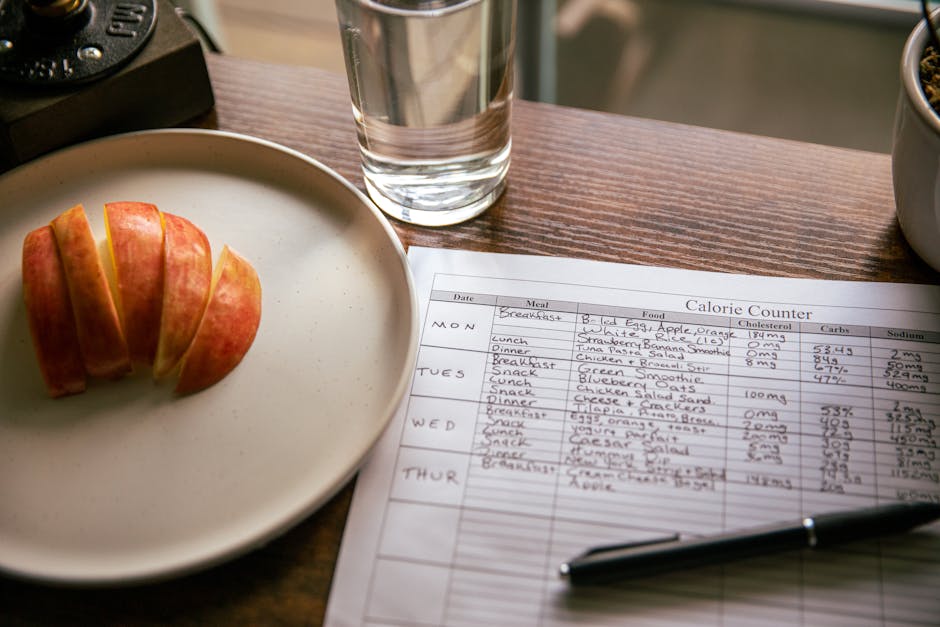
Don’t just count calories count colors. A wide variety of fruits and vegetables isn’t just good advice; it’s a shortcut to better overall nutrition. Each color group brings its own set of vitamins, minerals, and antioxidants, so go for diversity. Red peppers, leafy greens, blueberries, carrots rotate them through your meals for maximum micronutrient coverage without overthinking it.
Iron is another piece people often miss, especially if you’re following a plant based, vegetarian, or female focused eating style. Low iron can zap your energy fast. Work iron rich beans, lentils, seeds, spinach, and fortified grains into your routine regularly. Want ideas? These meal ideas with iron are a smart place to start.
And don’t forget: hydration isn’t only about water bottles. Eat your fluids. Things like cucumbers, oranges, and broth based soups pull double duty nutrients + hydration in the same bite. Fuel smart, stay steady.
Save Time with Smart Tools
Meal planning doesn’t need to be another full time job. One of the easiest wins is using a shared grocery list app, especially if you’re coordinating meals with a partner or roommates. Tools like AnyList or Google Keep help you avoid the last minute fridge scramble by keeping everything organized in one place. Even a simple spreadsheet does the trick if you like things tactile and tidy.
Next: batch your shopping. Whether you schedule a grocery delivery or commit to one store trip per week, having a dedicated system saves serious time and mental energy. No wandering the aisles after work with half a plan and zero patience.
And for extra credit prep your sauces and dressings in bulk. These small but mighty meal components add variety without demanding more effort midweek. Think tahini lemon dressing, pesto, chimichurri, or peanut sauce. A few jars in the fridge, and suddenly those basic grain bowls feel like brand new meals.
Make It Sustainable
Planning is great, but being too rigid will burn you out fast. The key to a sustainable meal plan? Flexibility. Block out at least one night each week where takeout, leftovers, or a random fridge raid dinner is totally fair game. Life gets hectic your meal plan should be ready for it.
Keeping things loose also helps cut down on food waste. When you over plan, ingredients go bad, and money goes out the window. By leaving buffer space, you can use what you’ve got before buying more saving cash and reducing your environmental footprint.
Finally, your energy, schedule, and cravings change week by week. Some days you’re up for cooking something complex. Other days, cereal feels like a win. Don’t fight it. Adjust your plan as needed not because you’re failing, but because you’re listening. That’s how a meal plan becomes a lifestyle, not a chore.
Quick Tip Library
Sometimes, success in meal planning comes down to small habits and smart preparation. These quick tips can help you stay on track, even when life gets hectic:
Single Serve Freezer Meals
Keeping a few frozen, pre portioned meals on hand can be a lifesaver on busy days.
Freeze leftovers in individual containers for easy grab and go lunches or emergency dinners
Label meals with the cook date to maintain freshness and safety
Choose freezer friendly meals like stews, casseroles, pasta sauces, or grain bowls
Pantry Meal Backups
A well stocked pantry gives you the power to whip up a healthy meal even when the fridge is empty.
Always keep 2 3 complete meal combos in your pantry
Smart staples include:
Canned beans or lentils
Brown rice or whole grain pasta
Canned tomatoes, curry paste, or broth
Mix and match with spices and condiments for variety
Weekly Recipe Exploration
Prevent meal fatigue and expand your nutrient intake by adding just one new healthy recipe each week.
Pick recipes that feature different cuisines or seasonal produce
Focus on meals rich in essential nutrients like iron especially important for plant forward diets
Need ideas? Try these iron rich meal options
These quick wins help your meal plan stay fresh, convenient, and sustainable without extra mental load.

 There is a specific skill involved in explaining something clearly — one that is completely separate from actually knowing the subject. Zyphara Quenvale has both. They has spent years working with nutrition and healthy eating tips in a hands-on capacity, and an equal amount of time figuring out how to translate that experience into writing that people with different backgrounds can actually absorb and use.
Zyphara tends to approach complex subjects — Nutrition and Healthy Eating Tips, Health and Wellness Insights, Meal Planning Ideas being good examples — by starting with what the reader already knows, then building outward from there rather than dropping them in the deep end. It sounds like a small thing. In practice it makes a significant difference in whether someone finishes the article or abandons it halfway through. They is also good at knowing when to stop — a surprisingly underrated skill. Some writers bury useful information under so many caveats and qualifications that the point disappears. Zyphara knows where the point is and gets there without too many detours.
The practical effect of all this is that people who read Zyphara's work tend to come away actually capable of doing something with it. Not just vaguely informed — actually capable. For a writer working in nutrition and healthy eating tips, that is probably the best possible outcome, and it's the standard Zyphara holds they's own work to.
There is a specific skill involved in explaining something clearly — one that is completely separate from actually knowing the subject. Zyphara Quenvale has both. They has spent years working with nutrition and healthy eating tips in a hands-on capacity, and an equal amount of time figuring out how to translate that experience into writing that people with different backgrounds can actually absorb and use.
Zyphara tends to approach complex subjects — Nutrition and Healthy Eating Tips, Health and Wellness Insights, Meal Planning Ideas being good examples — by starting with what the reader already knows, then building outward from there rather than dropping them in the deep end. It sounds like a small thing. In practice it makes a significant difference in whether someone finishes the article or abandons it halfway through. They is also good at knowing when to stop — a surprisingly underrated skill. Some writers bury useful information under so many caveats and qualifications that the point disappears. Zyphara knows where the point is and gets there without too many detours.
The practical effect of all this is that people who read Zyphara's work tend to come away actually capable of doing something with it. Not just vaguely informed — actually capable. For a writer working in nutrition and healthy eating tips, that is probably the best possible outcome, and it's the standard Zyphara holds they's own work to.