
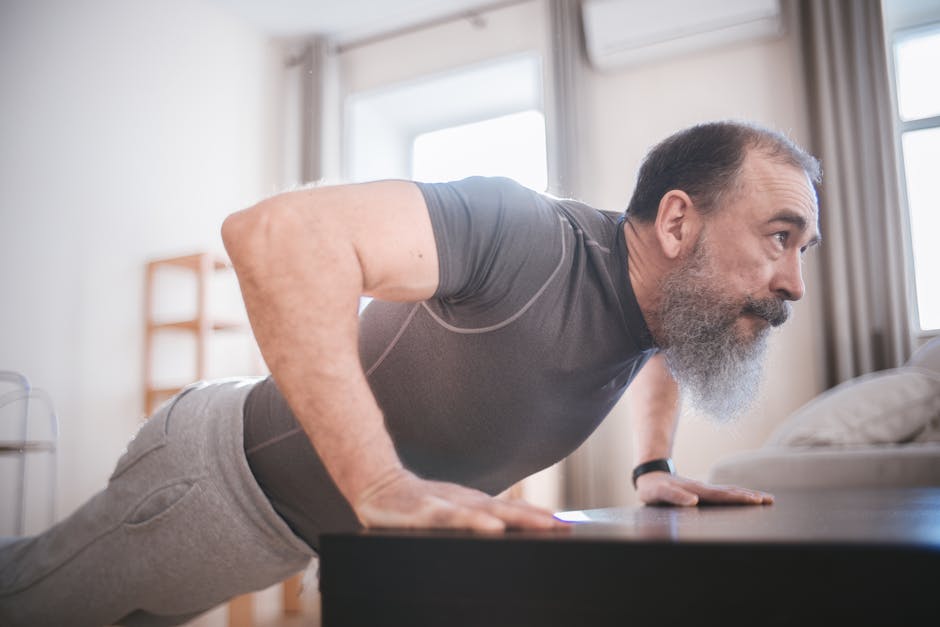
Why Bodyweight Training Still Works in 2026
Why It Still Matters
Bodyweight workouts have stood the test of time and for good reason. With no equipment required and minimal space needed, this form of training is both accessible and efficient, especially in today’s fast paced world.
Key benefits include:
Time saving: No setup or commute means you can train anywhere, anytime.
Zero cost: No need for gym memberships, machines, or gear.
Sustainably effective: When done with proper form and progression, bodyweight workouts deliver real, lasting results.
Functional Movement = Real World Strength
Bodyweight exercises prioritize functional movement patterns motions you use in real life like standing, pushing, pulling, and twisting. This kind of training helps build strength that actually transfers outside the workout room.
Expect improvements in:
Mobility and balance
Joint and core stability
Everyday movements such as lifting, climbing, or even just walking with better posture
No Excuses, Just Movement
The biggest strength of home based bodyweight training is its simplicity. You don’t need a gym, fancy equipment, or complicated routines. You just need the commitment to move well, move often, and consistently push your limits.
Why training from home works:
Reduces barriers to consistency
Fits around your schedule, not the other way around
Empowers you to take ownership of your fitness journey
From apartments to hotel rooms to parks, your entire environment becomes a potential training ground. Eliminate the hurdles your body is all you need.
Core Principles of Equipment Free Fitness
Forget flashy moves or all out burnout sessions. When you’re training with just your bodyweight, consistency beats intensity every time. Showing up three to four times a week deliberately, reliably is what drives results. It’s not about crushing one workout and ghosting the rest of the week. It’s about repeating solid effort, over and over, until it becomes non negotiable.
Progressive overload still matters but in this context, it doesn’t mean adding more plates. You’ll push progress through tempo changes (slowing down reps to build control), increasing total reps, and tweaking rest intervals. Less rest between sets? That’s overload. Holding a squat at the bottom for ten seconds? Also overload. You’re working against gravity, not gear.
And don’t overlook form. A perfect lunge is worth more than ten shaky ones. Bad mechanics build bad habits and injuries. Sharp form trains your nervous system, protects your joints, and keeps you progressing without setbacks. Long term strength is about precision and control, not just sweat. Master the basics, move with intent, and the rest will follow.
Build Your Own Full Body Workout
Designing your own full body routine at home doesn’t have to be complicated. Focus on hitting every major muscle group with a balance of stability, strength, and endurance exercises no equipment required.
Warm Up (5 7 Minutes)
It’s essential to get your body ready before diving into more intense movement. Prime your muscles, activate your joints, and boost circulation with:
Jumping jacks 30 seconds
Arm circles 15 seconds forward + 15 seconds backward
Leg swings Front to back and side to side
Torso twists 10 reps each side
Upper Body
These movements train your chest, shoulders, arms, and back using just bodyweight and basic household items:
Push ups
Variations:
Regular
Incline (hands on elevated surface)
Decline (feet elevated)
Tricep dips
Use a sturdy chair, bench, or low table to target your triceps.
Lower Body
Lower body strength is foundational. These movements engage glutes, quads, hamstrings, and calves:
Bodyweight squats
Try adding a pulse or holding at the bottom for 3 5 seconds to increase difficulty.
Lunges
Mix in:
Forward lunges
Reverse lunges
Side to side lunges with slight torso rotation
Calf raises
Perform on stairs or a flat surface. For more challenge, slow down the tempo or go one leg at a time.
Core
Your core connects every part of the body train it to stay strong and stable:
Planks
Front plank
Side planks (both sides)
Hold each as long as you can with proper alignment, aiming for 30 60 seconds.
Ab variations
Bicycle crunches dynamic and great for obliques
Leg raises better for lower abs; keep legs straight and lower slowly
Optional Finisher: 4 Minute AMRAP
If you’ve got extra gas in the tank, finish with a high intensity challenge. Set a timer and repeat the following circuit as many times as possible (AMRAP) in 4 minutes:
10 air squats
10 push ups
10 sit ups
This quick burst helps condition your body and delivers a metabolic boost.
Reminder: Always cool down and stretch after your session to help recovery and mobility.
Weekly Structure for Beginners
No fluff, just structure. If you’re new to workouts or getting back into it, this weekly breakdown keeps things simple and sustainable.
3 Days: Full Body Workouts
These are your cornerstone sessions. You’re hitting all major muscle groups pushing, pulling, core, and legs. Alternate exercises and mix up rep schemes to keep things fresh, but stay consistent. You don’t need to go hard every time just show up and move with intention.
2 Days: Active Recovery
Your body isn’t built to hammer nonstop. Active recovery is where you do low impact movement think long walks, light stretching, or gentle yoga. It boosts circulation, helps with soreness, and builds consistency. These days keep you in rhythm without frying your nervous system.
2 Days: Rest or Mobility Focus
Give your body the break it needs. Total rest is fine don’t feel guilty. But if you’re restless, use these days to work on mobility hips, ankles, shoulders. A little focused movement goes a long way for injury prevention and long term gains.
Stick to this rhythm and tweak it as you go. Volume and intensity come later. First, nail the habit.
Scaling Up Over Time
If you want stronger results without adding a single dumbbell, you’ve got to change how you move. Start with time under tension slow down your reps. Instead of racing through a set of push ups, lower yourself in 3 4 controlled seconds, pause at the bottom, then push back up. That slow burn builds serious muscle and control.
Next, level up your stability and muscle activation by adding unilateral moves. These are exercises where one side works at a time, like single leg squats or one arm push ups. They expose imbalances and force your core to get involved. No shortcuts here just raw body control.
Finally, track your reps. Write them down. You can’t improve what you don’t measure. Whether it’s one more push up or a few extra seconds holding a plank, progress shows up in small margins. Keep chasing that edge.
Simple tools. No fluff. Just better results over time.
If you’re hitting a wall with bodyweight training or wondering how to level up without wrecking your joints, it’s worth dialing in a proper progression plan. Random workouts can only take you so far. Building strength requires structure gradual tweaks to tempo, reps, rest, and movement complexity.
Not sure where to start? Check out How to Create a Beginner Friendly Strength Training Routine. It breaks things down in plain language, with methods that scale naturally. No fluff, no burnouts just reliable frameworks built for actual progress, not flashy promises.
Whether your gear is a yoga mat or just the floor, strength gains are still on the table. You just need to train smarter.
Stay Consistent, Stay Moving
Your body is already your best gym. No subscription needed. No fancy gear to buy. If you’ve got a little floor space and enough drive to show up, you’ve got enough to train. Push ups, squats, lunges, planks they’ve lasted for a reason. They work.
The secret, as always, is not in chasing the most extreme moves. It’s about building the habit first. Master the basics. Own your form. Get consistent. Once that’s locked in, then it’s time to increase the load more reps, slower tempo, tougher variations. You don’t need a barbell on your back to feel a burn in your legs.
In 2026, zero equipment doesn’t mean zero results. It means building real strength, real grit, using what you’ve already got. Your body doesn’t know the difference between a gym session with machines and a slow, focused set of bodyweight squats done in your bedroom. All it knows is effort. So bring that, and the gains will come.
