
I’ve spent years watching people start health journeys with massive enthusiasm, only to burn out within weeks.
You’re probably here because you’re tired of conflicting advice. One expert says carbs are evil. Another swears by them. Someone on social media is pushing a workout plan that requires two hours at the gym daily.
Here’s the truth: sustainable health isn’t complicated. But the wellness industry makes money by convincing you it is.
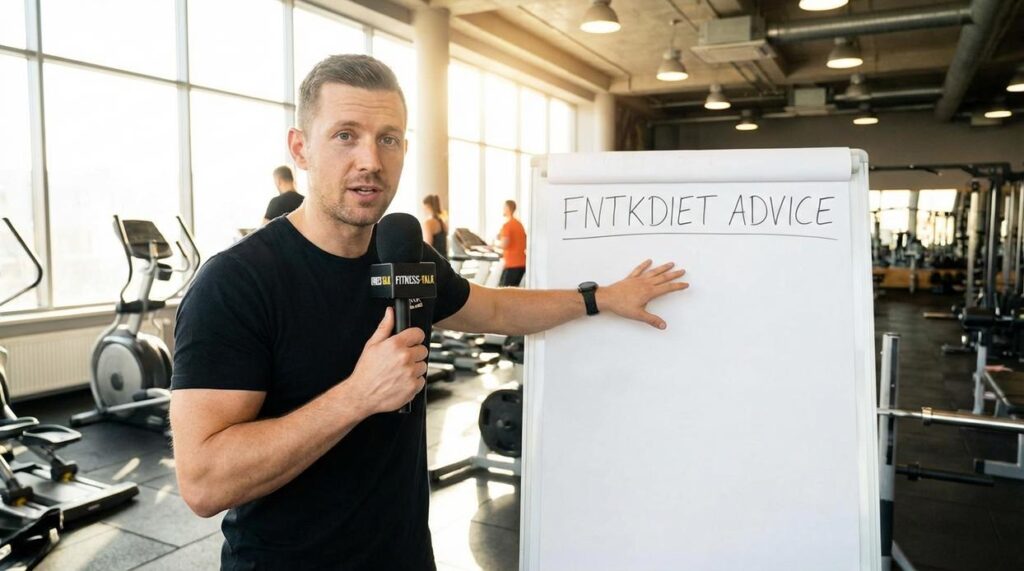
I created fntkdiet fitness advice at fitness-talk to cut through that noise. We focus on what actually works for real people with real lives.
This guide covers the basics that matter: eating in a way that feels natural, moving your body without burning out, and building habits that stick beyond January.
No extreme meal plans. No workouts that take over your life. Just practical steps backed by research into what creates lasting change.
You’ll learn how to eat better without obsessing over every calorie, how to exercise in ways that fit your schedule, and how to make small shifts that compound over time.
Because health isn’t about perfection. It’s about consistency you can maintain for years, not weeks.
The Nutrition Blueprint: Fueling Your Body, Not Restricting It
I’m tired of diet culture telling you what you can’t eat.
Seriously. Every plan you see is about cutting something out. No carbs. No fat. No sugar. No fun.
Here’s my take: that approach is backwards.
When you focus on restriction, you’re setting yourself up to fail. Your brain fixates on what it can’t have. You white-knuckle your way through a few weeks, then crash hard into a pint of ice cream at midnight (been there).
What actually works? Adding good stuff in.
I know that sounds too simple. But when you start packing your plate with nutrient-dense foods, something interesting happens. You get fuller. You feel better. And suddenly there’s less room for the junk anyway.
No willpower required.
Let me show you what I mean. Every meal needs three things: lean protein, complex carbs, and healthy fats. That’s it. Chicken breast with quinoa and avocado. Salmon with sweet potato and olive oil. Greek yogurt with oats and almond butter.
This isn’t rocket science. Your body runs on these macros. Protein keeps you satisfied and repairs muscle. Complex carbs give you steady energy without the crash. Healthy fats support your hormones and brain function.
When you balance all three, you stay full for hours. According to research from the American Journal of Clinical Nutrition, meals with this macro balance increase satiety by up to 30% compared to carb-heavy meals alone.
Now here’s something most people ignore: water.
I’m not talking about some magical detox nonsense. But proper hydration affects your metabolism, your focus, and even how hungry you feel. Studies show that people often mistake thirst for hunger. You think you need a snack when really you just need a glass of water.
Aim for half your body weight in ounces daily. If you weigh 160 pounds, that’s 80 ounces. Keep a water bottle at your desk. Drink a full glass when you wake up. Have one before each meal.
Simple moves that add up.
Here’s my favorite trick: the Plus-One Veggie Rule. Every lunch and dinner, add one serving of vegetables. That’s it. Don’t take anything away. Just add veggies.
Toss spinach in your pasta. Add peppers to your eggs. Throw broccoli on your pizza if that’s what it takes.
You’ll hit your fiber goals without thinking about it. You’ll get more vitamins. And you’ll crowd out less helpful foods naturally because your plate is already full.
That’s the whole point. When you fuel your body right, restriction becomes irrelevant.
Fitness That Fits: Building a Movement Habit You’ll Actually Keep
You know that feeling when your alarm goes off at 5 AM for a workout?
Your body feels heavy against the mattress. The air is cold. Every muscle wants to stay exactly where it is.
That’s the moment most fitness plans fall apart.
Here’s what nobody tells you. You don’t need those brutal hour-long sessions that leave you gasping on the gym floor. The smell of sweat and rubber mats doesn’t have to define your entire morning.
I’m going to say something that might surprise you.
Twenty to thirty minutes is enough. Really.
Some trainers will tell you that’s not sufficient. They’ll say you need at least an hour to see real results. That anything less is just wasting time.
But the research tells a different story. A 2019 study in Medicine & Science in Sports & Exercise found that shorter, consistent workouts produced better long-term adherence than longer sessions (and adherence is what actually gets you results).
The secret isn’t intensity. It’s showing up.
When you combine strength work with cardio, something interesting happens. Your metabolism gets a boost from the resistance training while your heart gets stronger from the cardio. It’s like hitting two targets with one stone (except your body is way more complex than that sounds).
Lifting weights creates that satisfying clink of plates. Your muscles feel tight and engaged. Meanwhile, cardio gets your heart pounding in your chest, your breath coming faster, that warm flush spreading across your skin.
Here’s a simple structure I recommend:
- Two days of strength training (feel the resistance, the controlled burn)
- Two days of walking or light cardio (fresh air, steady rhythm)
- One day of stretching or yoga (that deep pull in your muscles, the release)
- Two rest days (yes, really)
Your body talks to you. That dull ache that won’t go away? That’s different from the good soreness after a solid workout. One feels sharp and wrong. The other feels earned.
Rest days aren’t lazy days. They’re when your muscles actually rebuild and get stronger.
The fntkdiet approach focuses on building habits that stick, not chasing perfection that burns you out by February.
Pro tip: Schedule your workouts like appointments. Put them in your calendar with alerts. Treat them like you would a meeting you can’t miss.
Start small. Feel the weight in your hands. Notice your feet hitting the pavement. Pay attention to your breath.
That’s how you build something that lasts.
Holistic Wellness: The Pillars That Support Your Fitness Goals
You can crush every workout and nail your macros.
But if you’re not sleeping or you’re stressed out of your mind, you’re fighting an uphill battle.
I see this all the time. People wonder why they’re not losing weight even though they’re doing everything “right” at the gym. They track calories. They lift heavy. They show up consistently.
Then I ask about sleep.
“Five or six hours most nights.”
There’s your problem.
The Sleep-Weight Connection
Let me break this down simply.
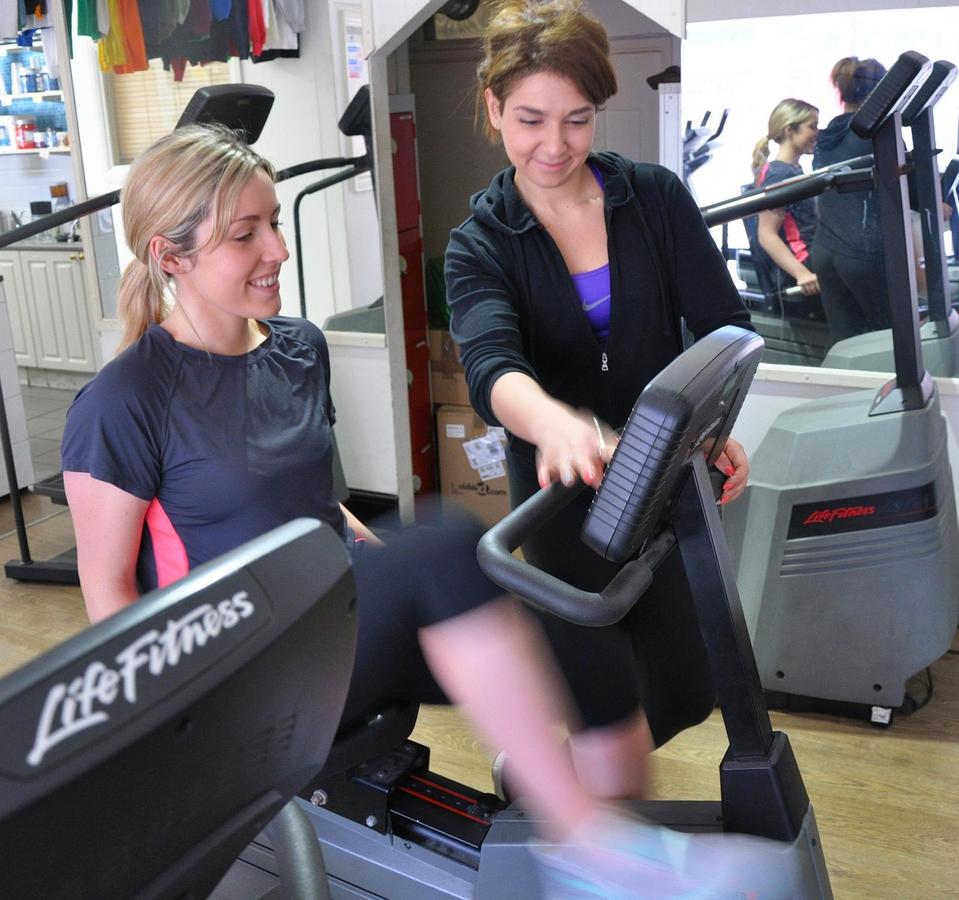
When you don’t sleep enough, your body messes with two hormones that control hunger. Ghrelin goes up (that’s your hunger hormone). Leptin goes down (that’s what tells you you’re full).
The result? You’re hungrier all day and never feel satisfied when you eat.
Research from the American Journal of Clinical Nutrition shows that people who sleep less than six hours a night consume about 385 more calories the next day. They’re not weak. Their hormones are literally working against them.
You can’t willpower your way through bad sleep.
Stress Management as a Fitness Tool
Here’s where it gets interesting.
Chronic stress pumps cortisol through your system. And cortisol loves to store fat around your midsection. It’s not just about looking good either. Belly fat is linked to higher risks of heart disease and diabetes.
Some people say stress is just part of modern life and you need to toughen up. Sure, some stress is unavoidable. But pretending it doesn’t affect your body is just ignoring science.
Try this instead.
Take five minutes for deep breathing when you feel overwhelmed. Breathe in for four counts, hold for four, out for four. Or go for a ten minute walk without your phone.
These aren’t magic fixes. But they work because they actually lower cortisol levels. That’s backed by research from Harvard Medical School.
Mindful Eating in Practice
Most of us eat on autopilot.
We’re scrolling through our phones or watching TV while we shovel food in. Then we look down and the plate’s empty and we barely remember tasting anything.
Mindful eating just means paying attention. That’s it.
Here’s how to start. Put your fork down between bites. Sounds simple but try it. You’ll notice flavors you usually miss.
Ask yourself if you’re actually hungry or just bored. (There’s a difference and your body knows it.)
Eat until you’re satisfied, not stuffed. That feeling of being uncomfortably full? You went too far.
When you combine good sleep, stress management, and mindful eating with solid fitness advice fntkdiet, you’re setting yourself up to actually reach your goals.
Not because you’re trying harder. Because you’re working with your body instead of against it.
Practical Meal Planning and Smart Weight Management
You don’t need to spend hours in the kitchen to eat well.
I know that sounds too simple. But here’s what the research actually shows.
A 2019 study in the International Journal of Behavioral Nutrition found that people who prep meal components (not full meals) are 2.5 times more likely to stick with healthy eating long-term. They also reported less stress around food decisions.
That’s because you’re not locked into eating the same thing five days in a row.
The 5-Minute Meal Prep
Cook a batch of quinoa on Sunday. Grill some chicken breasts. Chop your veggies.
Done.
Now you can mix and match throughout the week. Quinoa bowl one day. Chicken salad the next. Veggie stir-fry after that.
Some people say meal prep doesn’t work because food gets boring. They’re right if you’re making identical meals. But prepping components? That’s different.
When you how to master wellness fntkdiet, you learn that flexibility beats perfection every time.
Building a Healthy Snack Arsenal
Here’s what works when hunger hits between meals.
Apple slices with almond butter. Greek yogurt with berries. Hard-boiled eggs. Hummus with carrots. String cheese with a handful of nuts.
The pattern? Protein plus fiber. That combination keeps blood sugar stable for 2-3 hours according to research from the American Journal of Clinical Nutrition.
(No one stays full on crackers alone. Trust me on this.)
Beyond the Scale
The scale lies to you sometimes.
You might be building muscle while losing fat. Your weight stays the same but your body composition changes completely.
A 2020 study tracking 300 people over six months found that those who focused on non-scale victories were 40% more likely to maintain their weight loss after a year.
What should you track instead?
How your jeans fit. Whether you can lift heavier weights. If you’re sleeping better. Your energy at 3pm.
These tell you more than any number on a scale ever will.
Your First Step Towards a Healthier You
You now have a clear framework for improving your health.
No fads. No extreme measures. Just balanced nutrition and sustainable fitness that actually works.
I know the journey to a healthier lifestyle can feel overwhelming. You look at everything you want to change and wonder where to start.
Here’s the truth: lasting change doesn’t come from drastic overhauls that fizzle out in two weeks. It comes from small, consistent actions that fit into your real life.
The tips in this guide are designed for that reality. They work because they’re simple enough to stick with.
So here’s what I want you to do right now.
Pick just one tip from this article. Maybe it’s adding a vegetable to dinner tonight. Maybe it’s taking a 15-minute walk after lunch.
Just one thing.
Commit to doing it today. Then do it again tomorrow.
That’s how you build momentum. That’s how you create lasting change.
Your healthier self starts with this single choice. Make it count. Homepage.
