
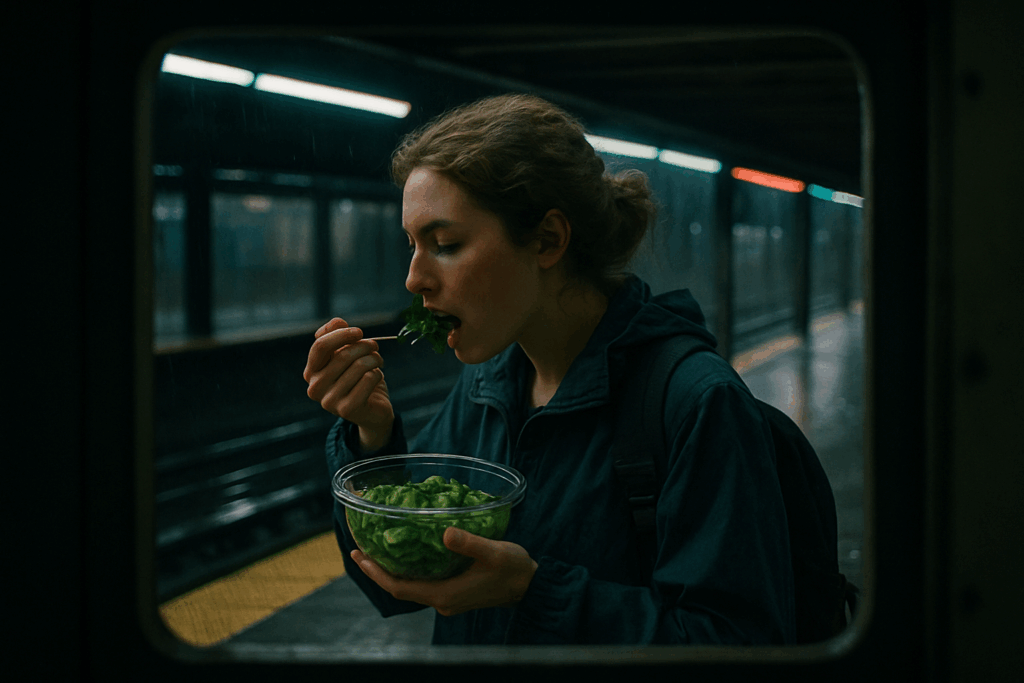
What Balanced Eating Looks Like in 2026
The age of crash diets and one size fits all food plans is fading. In 2026, balanced eating is less about rules and more about rhythm eating in a way that works for your body, your life, and your long term goals. Sustainability and variety aren’t trendy buzzwords anymore they’re the foundation.
At the core, balanced eating depends on three simple ideas: portion control, nutrient density, and, above all, balance. That means filling your plate with a smart mix of protein, fiber, healthy fats, and whole carbs not cutting entire food groups because a headline said so. It’s about fueling your body, not punishing it.
Why does this shift matter? Because rigid eating plans don’t stick. Life changes. Schedules get messy. A system that lets you flex and still stay on track is what makes results sustainable. Balanced eating offers that flexibility without sacrificing structure. You get autonomy without chaos and that’s the sweet spot.
Build Your Perfect Plate: The 50/25/25 Rule
Balanced eating doesn’t have to be complicated. At its core, the 50/25/25 rule keeps things simple and intentional: half your plate is vegetables and fruit, a quarter is lean protein, and the rest is whole grains or starches. That’s it. No apps, no overthinking.
Start with the 50%. Aim for a mix of colors and textures dark leafy greens like kale or spinach, cruciferous vegetables such as broccoli or Brussels sprouts, plus high antioxidant fruits like blueberries or strawberries. The variety doesn’t just make your plate look better it brings fiber, vitamins, and plant compounds your body actually needs.
Next, 25% should be lean protein. This is your anchor fuel for muscles, recovery, and staying full. Think grilled chicken, hard boiled eggs, flaky fish, lentils, or tofu. It’s not about heavy meals; it’s about giving your body what it needs to stay running strong.
Finish with the other 25%: whole grains or starches. These are your energy sources slow burn, filling, and satisfying. Quinoa, brown rice, sweet potatoes, and oats offer both complex carbs and fiber, keeping blood sugar steady and cravings in check.
There’s no magic here just balance built from whole, unprocessed ingredients. Stick to this ratio and you’re already miles ahead.
Don’t Forget the “Hidden” Nutrients
The basics protein, carbs, veggies usually grab the spotlight. But it’s the “hidden” nutrients that keep your body running smoothly behind the scenes. These are the small things with big returns.
Start with healthy fats. Think avocado, extra virgin olive oil, a handful of almonds. These don’t just boost flavor they help absorb fat soluble vitamins, stabilize energy, and support brain function. You don’t need much, but skipping them entirely is a mistake.
Then, there’s fiber. Often underrated, fiber keeps your gut microbiome happy, regulates cholesterol, and helps you feel fuller, longer. This matters if you’re trying to manage weight without feeling deprived. Whole grains, legumes, fruits, and veggies are your go to sources.
As for micronutrients vitamins and minerals the key isn’t a magic pill. It’s variety. The more color, texture, and plants you pack onto your plate, the better chance you give your body to get what it needs. A multivitamin might fill gaps, but it can’t compete with real food.
Minimal changes, steady habits. That’s what builds long term wins.
Hydration: The Overlooked Essential

Water isn’t just about quenching thirst it’s a baseline requirement. Your body can’t digest food, absorb nutrients, or produce energy without it. Enzymes, gut function, and cellular transport all depend on proper hydration. Run low on fluids, and you feel it fast fatigue creeps in, concentration drops, and digestion slows to a crawl.
The outdated advice of “8 glasses a day” doesn’t cut it anymore. Hydration needs vary based on how active you are, your climate, and what you eat. High protein and high fiber diets pull more water from your system. So does caffeine. So if you’re eating clean and moving your body, drink up accordingly. A simple benchmark: if you’re thirsty, you’re late.
Want a deep dive on how staying hydrated ties into better nutrition overall? Learn more about how hydration affects nutrition and overall health.
Common Pitfalls to Avoid
Eating well isn’t just about what you put on your plate it’s also about the patterns you fall into. One of the most common missteps? Skipping meals. Sure, life gets busy, but pushing off food until you’re starving often leads to overeating later. Your body plays catch up, and it usually overshoots.
Another trap is leaning too hard on so called “healthy” processed snacks. Just because something is vegan, gluten free, or high in protein doesn’t make it automatically balanced. Energy bars and veggie chips aren’t the enemy, but they shouldn’t replace real food either. Use them as support, not the foundation.
And then there’s portion size. Even if you’re eating clean think quinoa, avocado, grilled salmon overdoing it can still throw your diet out of balance. Quality matters, but so does quantity. Keeping portions in check helps sustain energy, digestion, and long term progress.
Avoiding these habits isn’t about restriction. It’s about awareness. The more tuned in you are, the easier it gets to eat well without overthinking every bite.
Making It Work Long Term
Meal prepping doesn’t have to mean locking yourself into five identical containers of grilled chicken. The key is planning just enough to reduce stress, not add to it. Prep two versatile proteins, a batch of grains, and a couple of chopped veggies. Mix and match through the week. Keep it boring if that works for you but throw in a new sauce or spice blend when you want to shake things up. Simplicity wins when burnout’s on the line.
Eating out isn’t the enemy. Guilt is. The trick is showing up with awareness not restriction. Scan the menu for options with a balance of protein, fiber, and whole foods. Skip the all or nothing mentality. If you want the fries, get them. Just don’t let one meal become your identity. A balanced approach allows space for both the kale salad and the burger.
That’s where the 80/20 rule comes in: aim for nutrient dense, whole food choices most of the time, and leave room for flexibility the rest of the time. It’s not failure it’s strategy. Real life balance isn’t about tracking every bite. It’s about progress, not perfection. Stay mostly on track, stay aware, and let life happen.
Quick Tips for Everyday Balance
Think in Plates, Not Calories
Instead of obsessing over numbers, simplify your approach with a visual guide. Focus on how your plate looks:
Fill half your plate with colorful vegetables and fruits
Add a quarter of lean protein
Include a quarter of whole grains or complex carbs
This method takes the guesswork out of portioning and encourages natural variety.
Prioritize Protein and Fiber
Every meal should include both protein and fiber. These two nutrients work together to keep you full, support digestion, and stabilize energy.
Protein picks: eggs, turkey, lentils, edamame, Greek yogurt
Fiber rich foods: spinach, chia seeds, chickpeas, apples
These components slow digestion, curb unnecessary snacking, and support long term weight balance.
Choose Smarter Snacks
Snacking isn’t bad it’s about choosing quality over quantity. Aim for snacks that satisfy without spiking your blood sugar.
Hummus with crunchy vegetables
Greek yogurt topped with seeds or berries
Whole grain toast with almond butter
Cottage cheese with sliced tomatoes or cucumber
Final Thought
Real balance isn’t about perfection it’s about consistency and awareness. When you tune out the noise and build your plate with intention, health becomes second nature.
