
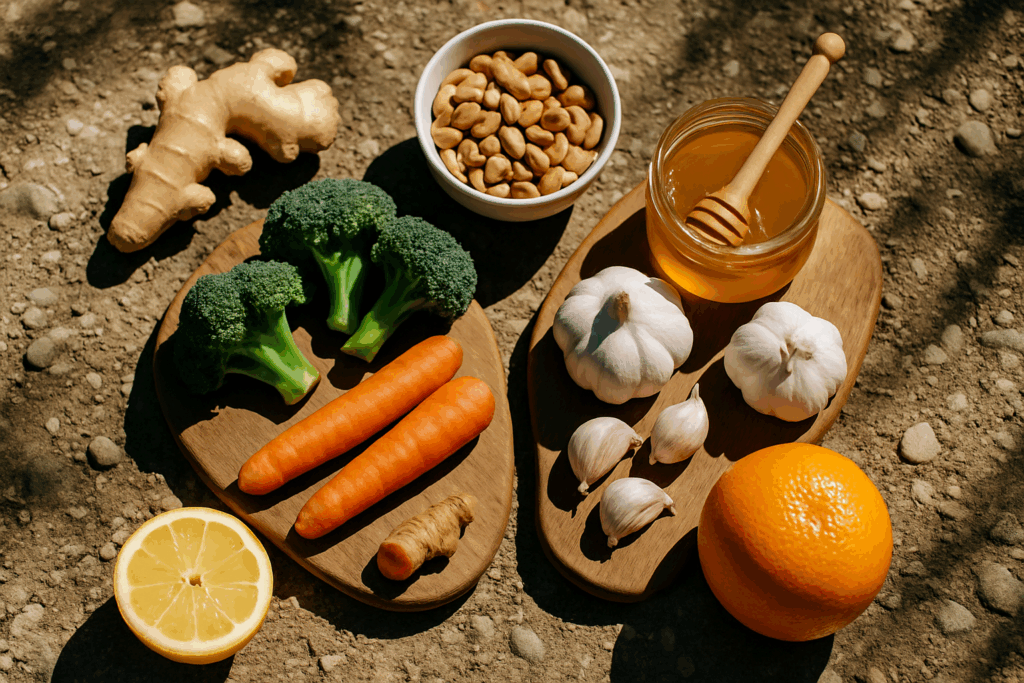
Why Your Immune System Needs Daily Support
Your immune system doesn’t check the calendar. It’s not just grinding in the middle of winter or when the office cold makes its rounds. It’s on, all the time scanning, defending, repairing. That makes daily support essential, not optional.
What you eat plays a bigger role than most people realize. Nutrition is the fuel your immune system runs on. A balanced, whole food diet helps it stay alert and efficient, catching problems before you even feel a symptom coming on. It’s your first line of defense more consistent than hand sanitizer, more potent than a once a year shot.
And while supplements have their place, they’re backup not the frontline. Relying on pills to cover what your meals are missing is like using duct tape on a sinking boat. Whole foods provide the synergy of nutrients, fiber, and bioactive compounds your immune system actually expects.
If you want to stay well year round, focus less on miracle cures and more on your grocery list. You’re building defense with every bite.
Citrus Fruits
Citrus fruits have long been a front line defense when it comes to keeping your immune system sharp. They’re loaded with vitamin C, one of the key nutrients that boosts white blood cell production your body’s natural defense team. No fluff here: more white blood cells mean better protection against viruses and bacteria.
Your go to options are easy to find and even easier to use: oranges, lemons, limes, and grapefruit. Throw them in a salad, squeeze them into water, or just peel and eat. No need to get fancy.
One heads up skip the processed juices. Most are loaded with added sugars that cancel out the benefits. Stick with the real stuff, fresh and whole, for the best immunity payoff.
Garlic
Garlic might smell strong, but so is its immune power. It contains allicin, a natural compound with serious antibacterial and antiviral kick. When your body’s trying to fight off an infection, allicin works like backup troops quick, direct, and effective.
Used for centuries in traditional medicine, garlic isn’t just a flavor booster. It’s a first line of defense used around the world for its protective properties. But to actually get the benefit, timing matters. To release allicin, garlic should be crushed or chopped raw and preferably added after cooking heat can dull its impact.
So don’t just throw whole cloves into a hot pan and call it done. Crush it, wait a minute or two, then mix it into dressings, dips, or drizzle it over roasted veggies post oven. Minimal effort, maximum effect.
Ginger
Ginger’s been doing heavy lifting in the wellness world for centuries and for good reason. It’s a natural anti inflammatory that helps keep immune signaling on point, making it a solid defense tool when your system’s under fire. It also pulls double duty by calming sore throats and settling nausea, which is why it’s a go to when you’re feeling off.
It works well in just about anything. Drop a few slices into hot tea, toss grated ginger into a stir fry, or blend it into your morning smoothie. Keep some fresh on hand it earns its shelf space.
Yogurt
Yogurt does more than make breakfast better it fuels your immune system from the inside out. The secret weapon: probiotics. These live bacteria feed your gut, which happens to be where most of your immune function lives. A balanced gut means stronger defenses against daily threats.
When shopping, check for labels that say “live and active cultures.” That’s your green light. And skip the sugary versions. Added sugar works against your goals. Go for plain, unsweetened, and dress it up yourself if you need some flavor think honey, berries, or a pinch of cinnamon.
Plain and simple: your gut thrives, your immunity holds the line.
Spinach
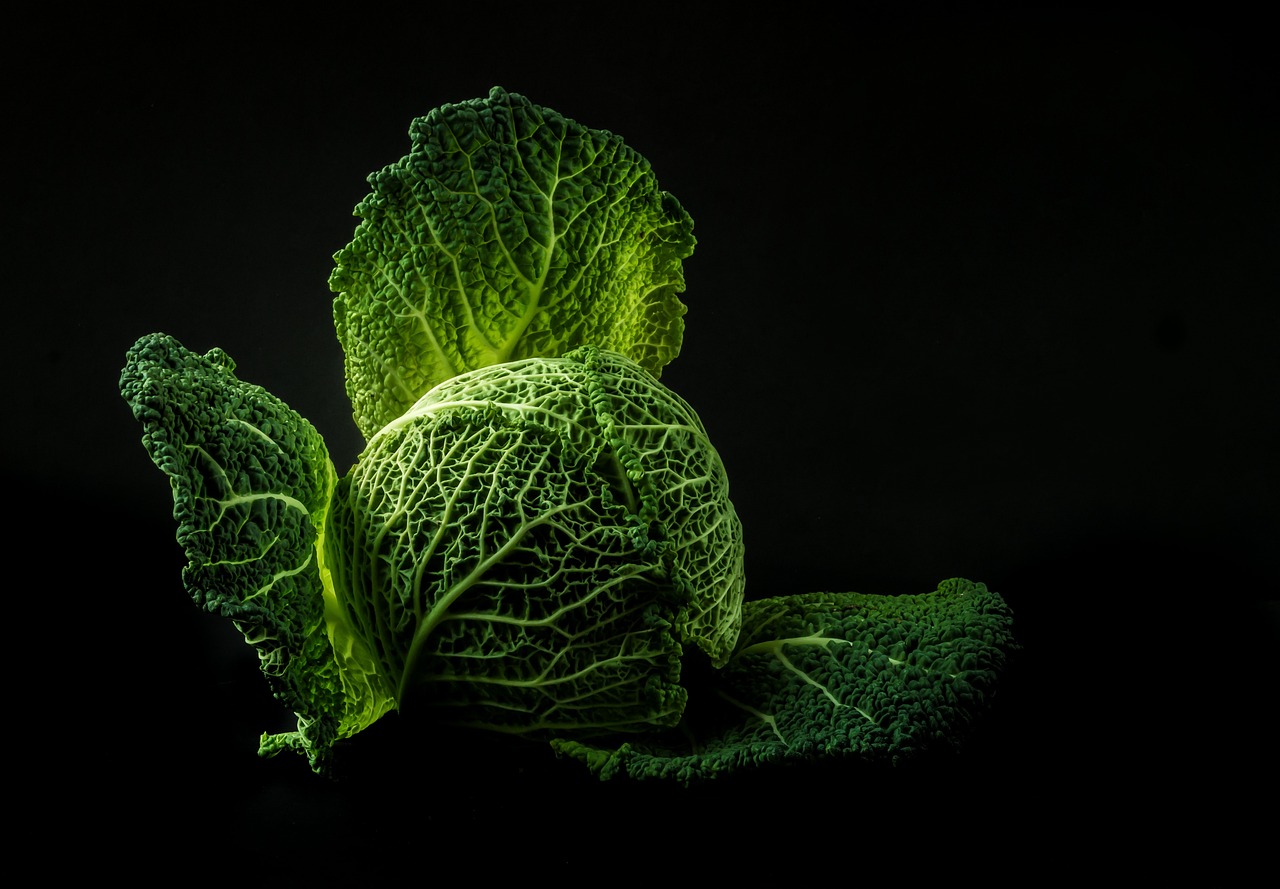
Spinach punches well above its weight when it comes to immune support. It’s packed with vitamin C, plus a range of antioxidants that help repair cell damage and keep your defenses sharp. What sets it apart is how a little heat can actually work in your favor. Lightly cooking spinach boosts the availability of nutrients like beta carotene and lutein, making them easier for your body to use.
Spinach also brings iron to the table an unsung hero of immune strength. Iron helps your blood carry oxygen, which every cell in your body, including immune cells, depends on to do their job. Whether you toss it in a soup, sauté it with garlic, or add it to a smoothie, spinach is a no fuss way to pack in multiple nutrients that matter.
(Explore more iron rich foods)
Almonds
Almonds aren’t flashy, but they’re one of the most efficient immune supporting snacks you can keep on hand. They’re packed with vitamin E a fat soluble antioxidant that plays a quiet but steady role in protecting your cells from stress and damage. Most people think of vitamin C when they get sick; vitamin E does just as much heavy lifting but tends to get overlooked.
The bonus? Almonds are full of healthy fats, which help your body actually absorb fat soluble vitamins like E. That means every bite delivers value, not just volume. You don’t need a big serving to see the benefits about 23 almonds a day (roughly a small handful) is enough to keep your levels in check without overdoing the calories.
Start tossing a few into your daily routine plain, unsalted, and unroasted is your best bet. Mix into your yogurt, eat them straight, or stash some in your bag as a ready to go immune boost.
Green Tea
Green tea isn’t hype it’s science. It’s packed with a compound called EGCG, short for epigallocatechin gallate, which has been shown to support immune function at the cellular level. Think of it as a quiet enforcer, helping your system stay on alert without the side effects of synthetic boosters.
There’s also L theanine in the mix, an amino acid that helps your body produce T cells your internal defense squad. This duo of calm and fight makes green tea a smart addition to your routine, especially if you’re trying to stay sharp and well.
Skip the sugary drinks and steep a cup. Make it a habit. One or two a day is enough to keep those antioxidants flowing.
Red Bell Peppers
Red bell peppers are not only vibrant and crunchy they’re also one of the most nutrient dense vegetables you can add to your daily diet.
A Vitamin C Powerhouse
Contain more vitamin C per serving than any citrus fruit, making them a top choice for daily immune support
Just half a cup provides over 100% of your recommended daily intake
Bonus Benefits
Rich in beta carotene, which your body converts into vitamin A
Supports the health of your skin, lungs, and other mucous membranes your immune system’s first line of defense
How to Eat Them
Best eaten raw cooking can reduce vitamin C content
Sliced in salads, dipped in hummus, or added last to a stir fry to keep nutrients intact
A daily serving of raw red bell peppers is a crunchy, colorful way to keep your immune system running strong.
Mushrooms
Mushrooms don’t just bulk up your stir fry they’ve got real immune boosting muscle. Shiitake and maitake are standout varieties, loaded with beta glucans that help modulate immune response. Translation: they help your body stay alert without going into overdrive.
Another quiet win? Vitamin D. Mushrooms are one of the few plant based sources of it, especially when exposed to sunlight during growth. This matters, because D is crucial for white blood cell activity, your first line of defense.
In short, mushrooms support your immune system where it counts. Sauté them, roast them, or toss them into soups they’re an easy upgrade.
Lean Protein (like Chicken or Legumes)
Protein isn’t just for muscle building it’s central to immune defense. Your body relies on amino acids from protein to build antibodies, repair damaged tissues, and support cellular functions that keep your immune system on high alert. Skimping on it can mean slower recovery and weaker resistance.
Lean sources like chicken, turkey, lentils, beans, and tofu give you the immune support without clogging your system with saturated fat. Besides the protein punch, these foods also deliver key micronutrients like zinc and iron both critical for immune response and oxygen transport. If you’re looking to diversify your iron intake, this list of iron rich foods gives you smart options across plant and meat sources.
Bottom line: get protein on your plate daily, and make it lean. Your immune system will thank you.
Small Daily Choices, Big Immune Wins
You don’t need to chase rare berries from remote islands or invest in powders that cost as much as a week’s groceries. The truth is, real, whole foods many of them already in your pantry or fridge are enough to give your immune system what it needs to stay sharp. These aren’t Instagrammable fads; they’re quietly effective, backed by nutrition science, and easy to work into everyday meals.
What matters most is variety. No single food carries every nutrient your body needs. But together, a range of fruits, vegetables, healthy fats, lean proteins, and fermented foods can do a lot of heavy lifting. Cover the basics: vitamin C, D, E, zinc, antioxidants, and probiotics. Aim to rotate foods like spinach, almonds, and citrus throughout the week.
The ten foods listed above aren’t magic bullets. They’re simple, powerful choices that, when made consistently, support your immune system in doing its job: protecting you quietly, every day. Focus on real food, eaten often not perfection.

 William Snydersoton is the kind of writer who genuinely cannot publish something without checking it twice. Maybe three times. They came to nutrition and healthy eating tips through years of hands-on work rather than theory, which means the things they writes about — Nutrition and Healthy Eating Tips, Effective Diet Plans, Weight Management Strategies, among other areas — are things they has actually tested, questioned, and revised opinions on more than once.
That shows in the work. William's pieces tend to go a level deeper than most. Not in a way that becomes unreadable, but in a way that makes you realize you'd been missing something important. They has a habit of finding the detail that everybody else glosses over and making it the center of the story — which sounds simple, but takes a rare combination of curiosity and patience to pull off consistently. The writing never feels rushed. It feels like someone who sat with the subject long enough to actually understand it.
Outside of specific topics, what William cares about most is whether the reader walks away with something useful. Not impressed. Not entertained. Useful. That's a harder bar to clear than it sounds, and they clears it more often than not — which is why readers tend to remember William's articles long after they've forgotten the headline.
William Snydersoton is the kind of writer who genuinely cannot publish something without checking it twice. Maybe three times. They came to nutrition and healthy eating tips through years of hands-on work rather than theory, which means the things they writes about — Nutrition and Healthy Eating Tips, Effective Diet Plans, Weight Management Strategies, among other areas — are things they has actually tested, questioned, and revised opinions on more than once.
That shows in the work. William's pieces tend to go a level deeper than most. Not in a way that becomes unreadable, but in a way that makes you realize you'd been missing something important. They has a habit of finding the detail that everybody else glosses over and making it the center of the story — which sounds simple, but takes a rare combination of curiosity and patience to pull off consistently. The writing never feels rushed. It feels like someone who sat with the subject long enough to actually understand it.
Outside of specific topics, what William cares about most is whether the reader walks away with something useful. Not impressed. Not entertained. Useful. That's a harder bar to clear than it sounds, and they clears it more often than not — which is why readers tend to remember William's articles long after they've forgotten the headline.