
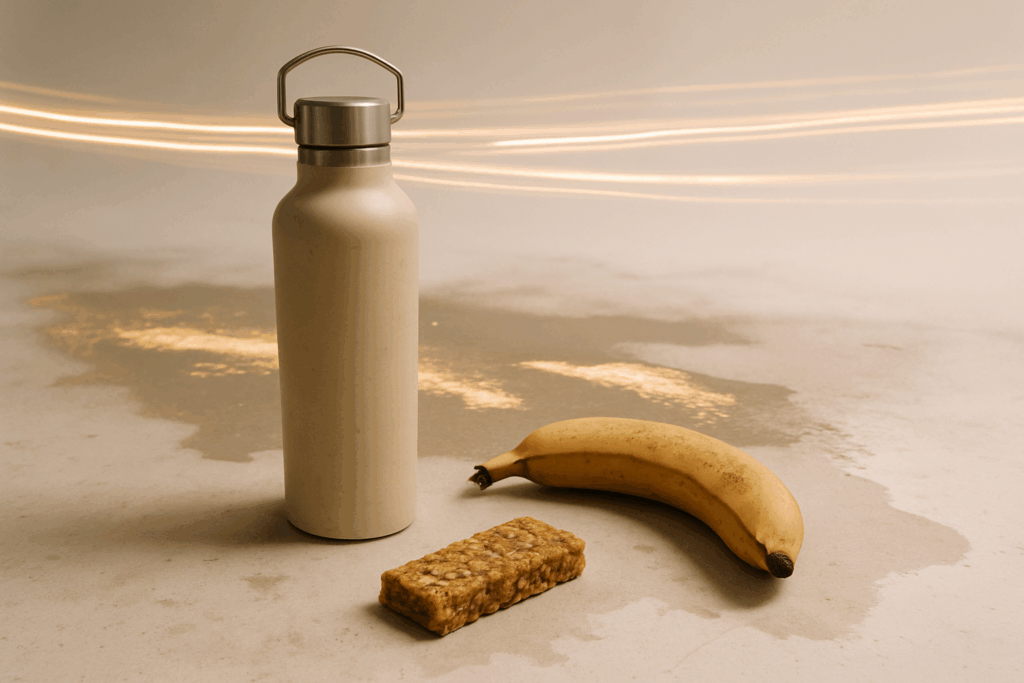
Water’s Role in Basic Body Functions
Adequate hydration is essential for the human body to function optimally. Water doesn’t just quench thirst it plays a critical role in nearly every major system of the body. Here’s how it supports core physiological functions:
Regulates Body Temperature
Water helps maintain a stable internal temperature.
Through sweat and respiration, the body uses water to cool down during high heat or physical activity.
Dehydration reduces your body’s ability to thermoregulate, leading to overheating or heat stroke in extreme cases.
Transports Nutrients
Water enables the transport of essential nutrients and oxygen to cells.
It supports blood circulation, aiding in the absorption and redistribution of vitamins, minerals, and glucose.
Aids in Digestion and Prevents Constipation
From saliva production to the breakdown of food in the stomach, water is needed at every stage of digestion.
It keeps the digestive tract moving smoothly, helping to prevent constipation and support regular bowel movements.
Lubricates Joints and Cushions Organs
Synovial fluid, which cushions joints, is primarily composed of water.
Water helps absorb shock in joints, reducing wear and discomfort.
It also surrounds vital organs, offering cushioning that protects them during movement and impact.
Supports Cellular Function and Metabolism
Every cell in the body relies on water to function, reproduce, and repair.
Water facilitates chemical reactions, including energy production through metabolism.
Without adequate hydration, cellular efficiency and overall metabolic rate decline.
In short, water is not optional it’s fundamental.
Hydration’s Impact on Nutrient Absorption
Water soluble vitamins like C and the B complex group don’t stick around in the body. They dissolve in water and get excreted if they’re not used. That means if you’re not properly hydrated, your body has a harder time absorbing and circulating these nutrients. You may be eating well and still not getting the full benefit.
Dehydration also messes with digestion. When there’s not enough fluid, everything slows down from saliva production to stomach acid and intestinal motility. Your gut can’t break down food as efficiently or move it through the system, and that bottlenecks nutrient absorption across the board.
Add in the impact on blood volume less fluid means thicker blood and reduced circulation. Nutrients just don’t travel as well. So even if your diet is dialed in, hydration acts like the delivery system. Without enough water, that system stalls. For your body to do its job right, hydration isn’t optional it’s groundwork.
Hydration and Performance: Physical & Cognitive
You don’t have to be bone dry to feel it. A drop of just 1 2% in your body’s water content is enough to start affecting performance. Focus drifts. Reaction time slows. Coordination gets sloppy. It’s subtle, but it stacks. For athletes, even recreational ones, this kind of mild dehydration is the silent performance killer.
Muscles rely on water to contract smoothly. Without it, they’re more likely to cramp or underperform. Recovery takes longer too fluids help clear waste products like lactic acid and shuttle nutrients where they’re needed. If you’re dragging through a workout, it may have less to do with sleep or carbs, and more to do with not topping off your fluids.
On the mental side, dehydration often wears a disguise. It can feel like hunger when it isn’t. Or like fatigue when you’ve technically rested enough. That’s why people can end up eating when their body actually just wants water. Staying hydrated isn’t just about drinking during workouts it’s about being ahead of the crash.
Daily Hydration Needs in 2026

“8 glasses a day” sounds tidy, but it’s not exactly science. Hydration isn’t a fixed number it’s a moving target that shifts with your life. A 25 year old runner training in Arizona? Needs more fluids than a 60 year old desk worker in a cool climate. Same goes for someone on a high protein diet or eating lots of salty snacks water needs go up to help process all that.
Your hydration needs change with factors like age, activity level, body size, diet, and even the weather. Sweating through summer or packed into a spin class? You’ll burn through fluids fast. Eating lots of fruits and veggies? You’re already getting water from food. Even soup and oatmeal get a nod.
And it doesn’t have to be plain water all day. Herbal teas, milk, broth, and even diluted juice can count. Coffee and moderate amounts of caffeine aren’t completely off limits either just balance them out. Bottom line: focus less on hitting a magic number and more on listening to your body. Thirst, energy, focus, and even skin quality can be solid indicators that it’s time to drink up.
The Nutrition Hydration Connection
Hydration isn’t just about how much you drink it’s also about what you eat, and what you avoid. High sodium meals, that third cup of coffee, or regular happy hour drinks can all quietly dry you out. Salt pulls water into the kidneys, caffeine acts as a mild diuretic, and alcohol shuts down your body’s water balance. Over time, these become habits that leave you low level dehydrated more often than you think.
On the flip side, staying properly hydrated helps with much more than just quenching thirst. It supports appetite regulation sometimes that snack craving is just your body asking for water. Balanced hydration also smooths out digestion, mood, and even the urge to overeat. Your body does better work when it’s operating on full.
Hydration needs shift depending on what you eat. Low carb diets tend to flush out water and electrolytes faster, so staying hydrated requires more intention look for options like mineral water and electrolyte powders. High protein plans can stress the kidneys slightly and need extra fluid to keep waste removal efficient. Even vegans or plant based eaters need to mix water rich veggies with fluid intake to stay in the zone.
Reading nutrition labels helps. If you’re trying to cut dehydration sabotaging ingredients, scan for sodium levels (aim for lower numbers when possible) and reach for foods with a high water content think cucumbers, berries, leafy greens, and broths. Know what you’re putting in your body, and use that info to stay ahead of the game. Here’s a helpful guide: How to Read Nutrition Labels Like a Pro.
Smart Tips for Staying Hydrated
Hydration doesn’t have to be complicated it just needs to be consistent. One of the simplest ways to stay on track is to build your fluid intake into the rhythms you already follow: drink a glass of water with every meal, and make hydration part of your pre and post workout routine. Don’t wait until you feel thirsty. By then, it’s already catch up mode.
If you’re already tracking calories or macros, add water to the mix. Many nutrition apps now include hydration tracking, letting you overlay fluid intake with your eating patterns. It’s a fast way to spot trends like whether dehydration is sabotaging your energy or workout recovery.
Tech can help you stay sharp. Smart bottles that glow when it’s time to take a sip, hydration reminder apps, even fitness watches with fluid intake features these tools take the guesswork out and let you focus on building better habits. You don’t need to obsess you just need to stay consistent.
Final Thoughts: Prioritize Water Like a Nutrient
Hydration isn’t a bonus it’s where everything starts. Think of water as the first, most basic ingredient in your nutrition plan. Before macros, before supplements, before meal timing drink water. If your body’s running low on fluids, it won’t absorb nutrients efficiently, won’t regulate temperature properly, and won’t give your immune or digestive systems the support they need.
What works best: small, non negotiable habits. A glass of water right after waking up. Sipping during meals. Carrying a bottle you actually like using. Don’t wait until you’re thirsty; by then it’s too late.
In 2026, smart nutrition isn’t about chasing trendy foods or fancy supplements. It’s built one refill at a time. Your metabolism, energy, and overall resilience begin with something simple and free a full glass of water.

 Kevin Freundemonteza has opinions about fitness routines and workouts. Informed ones, backed by real experience — but opinions nonetheless, and they doesn't try to disguise them as neutral observation. They thinks a lot of what gets written about Fitness Routines and Workouts, Weight Management Strategies, Meal Planning Ideas is either too cautious to be useful or too confident to be credible, and they's work tends to sit deliberately in the space between those two failure modes.
Reading Kevin's pieces, you get the sense of someone who has thought about this stuff seriously and arrived at actual conclusions — not just collected a range of perspectives and declined to pick one. That can be uncomfortable when they lands on something you disagree with. It's also why the writing is worth engaging with. Kevin isn't interested in telling people what they want to hear. They is interested in telling them what they actually thinks, with enough reasoning behind it that you can push back if you want to. That kind of intellectual honesty is rarer than it should be.
What Kevin is best at is the moment when a familiar topic reveals something unexpected — when the conventional wisdom turns out to be slightly off, or when a small shift in framing changes everything. They finds those moments consistently, which is why they's work tends to generate real discussion rather than just passive agreement.
Kevin Freundemonteza has opinions about fitness routines and workouts. Informed ones, backed by real experience — but opinions nonetheless, and they doesn't try to disguise them as neutral observation. They thinks a lot of what gets written about Fitness Routines and Workouts, Weight Management Strategies, Meal Planning Ideas is either too cautious to be useful or too confident to be credible, and they's work tends to sit deliberately in the space between those two failure modes.
Reading Kevin's pieces, you get the sense of someone who has thought about this stuff seriously and arrived at actual conclusions — not just collected a range of perspectives and declined to pick one. That can be uncomfortable when they lands on something you disagree with. It's also why the writing is worth engaging with. Kevin isn't interested in telling people what they want to hear. They is interested in telling them what they actually thinks, with enough reasoning behind it that you can push back if you want to. That kind of intellectual honesty is rarer than it should be.
What Kevin is best at is the moment when a familiar topic reveals something unexpected — when the conventional wisdom turns out to be slightly off, or when a small shift in framing changes everything. They finds those moments consistently, which is why they's work tends to generate real discussion rather than just passive agreement.