

Why Superfoods Still Matter in 2026
“Low calorie” isn’t the goal anymore nutrient density is. People want food that works harder for them, delivering vitamins, minerals, and essential compounds in every bite. That means shifting focus from numbers on a label to what the food actually does inside your body.
The term “superfood” gets thrown around a lot usually by brands trying to cash in on the hype. But not all kale chips and açai bowls are created equal. The real heavy hitters are backed by research: foods that fight inflammation, support digestion, improve focus, or help sustain energy all day. It’s less about trends, more about function.
And the biggest truth? None of it matters unless it fits into your daily life. One perfect smoothie doesn’t cancel out a week of processed junk. The real edge comes from routine choosing the better option consistently, not perfectly. Over time, those daily choices stack up. That’s how wellness becomes sustainable.
Blueberries
Small, simple, and endlessly useful. Blueberries punch way above their weight when it comes to health benefits. They’re packed with anthocyanins those deep blue pigments tied to lower inflammation and improved blood flow. Science backs their link to better brain function, slower cognitive aging, and even cellular repair.
They’re not fussy. Toss them into oatmeal, blend them into smoothies, pour over Greek yogurt, or eat them plain. A handful a day is an easy, no excuse habit. They don’t just add color they add long term resilience.
Leafy Greens (Spinach, Kale, Swiss Chard)
Leafy greens aren’t flashy, but they’re foundational. Spinach, kale, and chard come loaded with vitamins A, C, and K, plus minerals like iron and calcium. That’s a strong combo for immune support, bone health, and energy production without reaching for a supplement bottle.
These greens also pack compounds that help reduce inflammation and improve digestion, making them a go to for people chasing clean energy and clear thinking. Whether you blend them into smoothies, throw them in a skillet, or crunch them raw in salads, they get to work fast.
One thing to watch: overdoing certain greens can lead to oxalate buildup, which may interfere with mineral absorption over time. The solution is simple rotate your greens. Mix it up week by week so your body gets the best of each variety, minus the overload.
Salmon (or Plant Based Omega 3s)
Salmon earns its superfood status thanks to its high levels of DHA and EPA two omega 3 fatty acids your body can’t produce on its own. They’re essential for heart health, brain function, and reducing chronic inflammation. If you eat fish, aim for wild caught salmon twice per week to get the full effect.
Not into seafood? No problem. A solid plant based lineup includes chia seeds, flaxseed, and walnuts. They’re rich in ALA, another form of omega 3, which your body can partially convert into EPA and DHA though not as efficiently. Still, they’re solid options.
Bottom line: whether it’s grilled fish or a chia packed smoothie, build omega 3s into your routine at least a couple times a week. Your brain (and heart) will thank you.
Quinoa
Quinoa doesn’t mess around. It’s a complete plant protein, meaning it comes with all nine essential amino acids your body can’t produce on its own. That’s rare in the plant world. It’s also stacked with fiber, iron, and magnesium nutrients that support energy, muscle function, and digestion without the crash that comes from refined carbs.
What makes quinoa even more useful is how easy it is to integrate. Sub it in for rice, mix it into salads, or use it as the base of a hearty bowl. You get the whole package: complex carbs that sustain, clean protein that fuels, and micronutrients that support overall health.
If you’re still clinging to white rice or overly processed grains, this is your nudge. Quinoa brings better texture, deeper flavor, and a serious nutritional upgrade. It’s carbs done right.
(Related: The Truth About Carbs Understanding Good vs. Bad Carbohydrates)
Greek Yogurt
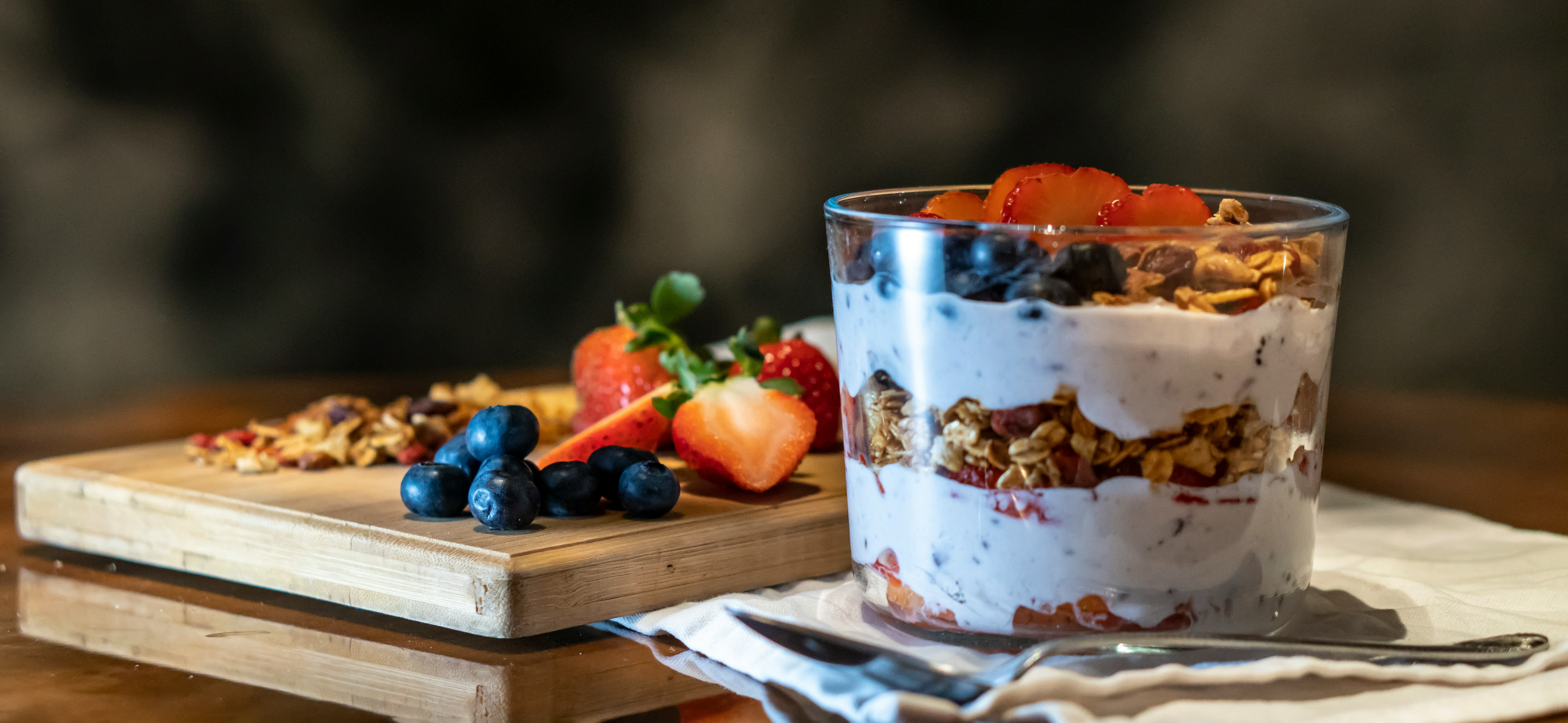
Greek yogurt pulls a lot of weight for a single food. It’s thick with probiotics that support a balanced gut and packed with protein that keeps you full longer. This combo makes it a smart pick for breakfast, snacks, or post workout fuel.
But not all yogurts are created equal. Many are laced with added sugars that cancel out the health benefits. Stick to unsweetened versions and add your own fruit, nuts, or a drizzle of honey if you’re after more flavor. Bottom line: Greek yogurt is clean, simple, and effective if you don’t let extra sugars sneak in.
Avocados
Why Avocados Deserve a Place on Your Plate
Avocados continue to be one of the most versatile and nutrient packed superfoods available. Their unique nutritional profile makes them a favorite among health conscious eaters.
Key Benefits
Rich in Heart Healthy Fats: Avocados are a top source of monounsaturated fats, which can help reduce bad (LDL) cholesterol levels and support cardiovascular health.
Potassium Powerhouse: With more potassium per serving than a banana, avocados help regulate blood pressure and maintain fluid balance.
High in Nutrients: They also contain vitamins K, E, C, and several B vitamins including folate.
How to Use Them
Avocados are incredibly easy to incorporate into meals. Their creamy texture and mild flavor make them a healthy choice in many dishes:
Mash onto whole grain toast as a nutrient dense breakfast base
Dice into salads for extra richness and fiber
Blend into smoothies for added creaminess and healthy fats
Use as a spread in place of mayonnaise or other processed condiments
Whether as a snack or a meal component, avocados offer a satiating, heart smart option that fits a wide variety of dietary styles.
Turmeric
Turmeric has quietly held its place as one of the most effective anti inflammatory foods out there. Its active compound, curcumin, packs a punch when it comes to reducing inflammation especially when paired with black pepper, which helps the body absorb it more efficiently. You won’t feel the effects overnight, but over time, it can support immunity and reduce joint pain, especially in people dealing with chronic inflammation.
This isn’t a spice you want buried in the back of your cabinet. Use it regularly. Stir it into soups, simmer it in teas, or roast vegetables with a turmeric rub. Just a pinch here and there adds warmth and health benefits without much fuss.
Nuts (Especially Almonds and Walnuts)
Nuts pack a nutritional punch, offering a unique combination of healthy fats, fiber, and essential micronutrients in each bite. They’re not just a great snack they’re a heart smart daily habit.
Why Nuts Are Superfood Worthy
Energy dense fuel: Just a small handful can provide lasting satiety and energy.
Rich in healthy fats: Particularly monounsaturated and polyunsaturated fats that support heart health.
High in fiber: Supports digestion and gut health.
Loaded with micronutrients: Especially vitamin E, magnesium, and antioxidants.
Health Benefits Backed by Science
Cholesterol control: Regular nut consumption has been shown to lower LDL (“bad”) cholesterol levels.
Brain protection: Walnuts, in particular, are linked to improved cognitive function and memory.
Anti inflammatory effects: Thanks to their rich antioxidant profile.
How to Eat Nuts the Smart Way
Portion control: Stick to one small handful (about 1 ounce) per day to avoid excessive calorie intake.
Skip the sugar and salt: Choose raw or dry roasted varieties without added sweeteners or sodium.
Mix it up: Rotate between almonds, walnuts, pistachios, and Brazil nuts to diversify nutrient intake.
Nuts are easy to incorporate into your diet add them to yogurt, salads, oatmeal, or enjoy on their own as a satisfying snack.
Sweet Potatoes
Sweet potatoes are a quiet powerhouse in the superfood game. Naturally high in beta carotene, fiber, and vitamin C, they’re built for balanced energy and immunity support. Unlike the sugar crash you might get from processed carbs, sweet potatoes stabilize blood sugar and keep you full longer no rollercoaster energy dips.
They also hit the sweet tooth without ruining your day. Roasted with olive oil and salt, mashed with spices, or cubed into a grain bowl, they’re versatile enough to show up at breakfast, lunch, or dinner. Simple, whole, and satisfying sweet potatoes check all the boxes.
Green Tea
Green tea remains one of the most powerful and accessible superfoods you can add to your daily routine. From metabolism to mental clarity, its benefits are scientifically backed and wide ranging.
Why Green Tea Deserves a Spot in Your Routine
Antioxidant rich: Green tea is loaded with a catechin called EGCG (epigallocatechin gallate), a compound shown to support fat oxidation and combat cellular stress.
Focus enhancer: Thanks to its mild caffeine content combined with L theanine, green tea can improve alertness without the jitteriness of coffee.
Natural detox support: Its diuretic and anti inflammatory properties help flush out excess water and support liver health.
Hydration helper: Unlike dehydrating beverages, green tea supports daily fluid intake while delivering added nutrients.
How to Maximize the Benefits
Choose high quality matcha if you want the most concentrated dose of green tea’s nutrients. Matcha uses whole powdered leaves, offering much more EGCG than traditional steeped varieties.
Brew at lower temperatures (around 160°F to 180°F) to preserve delicate compounds and avoid bitterness.
Start your day with a warm cup or use matcha powder in smoothies, energy bites, or oatmeal.
Simple, powerful, and steeped in tradition green tea is a timeless superfood with modern day relevance.
Building a Habit Around Superfoods
Creating a superfood rich diet doesn’t have to mean a dramatic lifestyle change overnight. In fact, smaller, intentional choices tend to stick longer and feel less overwhelming.
Start Simple: One Swap at a Time
Rather than attempting a total kitchen makeover, begin by identifying one area of your diet that could use a nutrient boost.
Swap sugary breakfast cereal for Greek yogurt topped with berries
Replace white rice with quinoa in one or two meals per week
Use avocado spreads in place of butter or mayo on toast
A single change per week creates a sustainable path toward long term health improvements without sacrificing taste or convenience.
Be Strategic with Prep and Shopping
Eating well starts before you even cook. Planning, prepping, and buying smart sets the tone for success:
Batch Prepping: Wash and chop leafy greens or sweet potatoes ahead of time
Smart Shopping: Stick to a grocery list that prioritizes whole foods and minimizes impulse buys
Storage Tips: Keep nuts, seeds, and dried fruits in accessible jars for easy snacking or smoothie add ins
Consistency becomes easier when the healthy choice is also the convenient one.
Choose Power Over Processed
The goal isn’t perfection it’s progress.
Focus on nutrient density rather than empty calories
Use food as fuel for focus, energy, and well being
Remember: superfoods work best when they’re part of an overall balanced approach, not short term fixes
Your daily choices shape your long term health. Build your diet around foods that energize, nourish, and support you one meal at a time.

 There is a specific skill involved in explaining something clearly — one that is completely separate from actually knowing the subject. Zyphara Quenvale has both. They has spent years working with nutrition and healthy eating tips in a hands-on capacity, and an equal amount of time figuring out how to translate that experience into writing that people with different backgrounds can actually absorb and use.
Zyphara tends to approach complex subjects — Nutrition and Healthy Eating Tips, Health and Wellness Insights, Meal Planning Ideas being good examples — by starting with what the reader already knows, then building outward from there rather than dropping them in the deep end. It sounds like a small thing. In practice it makes a significant difference in whether someone finishes the article or abandons it halfway through. They is also good at knowing when to stop — a surprisingly underrated skill. Some writers bury useful information under so many caveats and qualifications that the point disappears. Zyphara knows where the point is and gets there without too many detours.
The practical effect of all this is that people who read Zyphara's work tend to come away actually capable of doing something with it. Not just vaguely informed — actually capable. For a writer working in nutrition and healthy eating tips, that is probably the best possible outcome, and it's the standard Zyphara holds they's own work to.
There is a specific skill involved in explaining something clearly — one that is completely separate from actually knowing the subject. Zyphara Quenvale has both. They has spent years working with nutrition and healthy eating tips in a hands-on capacity, and an equal amount of time figuring out how to translate that experience into writing that people with different backgrounds can actually absorb and use.
Zyphara tends to approach complex subjects — Nutrition and Healthy Eating Tips, Health and Wellness Insights, Meal Planning Ideas being good examples — by starting with what the reader already knows, then building outward from there rather than dropping them in the deep end. It sounds like a small thing. In practice it makes a significant difference in whether someone finishes the article or abandons it halfway through. They is also good at knowing when to stop — a surprisingly underrated skill. Some writers bury useful information under so many caveats and qualifications that the point disappears. Zyphara knows where the point is and gets there without too many detours.
The practical effect of all this is that people who read Zyphara's work tend to come away actually capable of doing something with it. Not just vaguely informed — actually capable. For a writer working in nutrition and healthy eating tips, that is probably the best possible outcome, and it's the standard Zyphara holds they's own work to.